2026 Top Fitness Equipment Why Is Regular Fitness Good for Health?

Time:2026-10-14 Author:Madeline
0%

As 2026 approaches, fitness equipment is becoming more intelligent, compact, and adaptable. Home treadmills, adjustable dumbbells, rowing machines, and wearable-connected bikes now support measurable training in limited spaces. Yet equipment alone does not create better health. Consistent movement, sensible progression, and recovery remain more important than owning the newest device.

Why is regular fitness good for physical health? The World Health Organization recommends 150–300 minutes of moderate aerobic activity weekly, or 75–150 minutes of vigorous activity, plus muscle-strengthening exercises on at least two days (WHO, 2020). This level of activity can improve cardiovascular fitness, muscular strength, balance, and metabolic health. The Centers for Disease Control and Prevention also links regular physical activity with lower risks of heart disease, type 2 diabetes, and several cancers (CDC, 2024). These benefits can begin with practical actions, such as walking briskly for thirty minutes or completing controlled resistance exercises at home.

The fitness industry reflects this demand. The Health & Fitness Association’s 2024 consumer research reported continued participation across gyms, studios, and home-based activities, while ACSM’s Worldwide Survey of Fitness Trends continues to identify wearable technology and data-led training as influential trends. Numbers help, but they do not replace judgment. A smartwatch may record every step, yet it cannot fully assess pain, fatigue, or poor technique. This guide examines leading 2026 fitness equipment through evidence, usability, safety, and long-term value. Better health is built gradually. That part is easy to overlook.
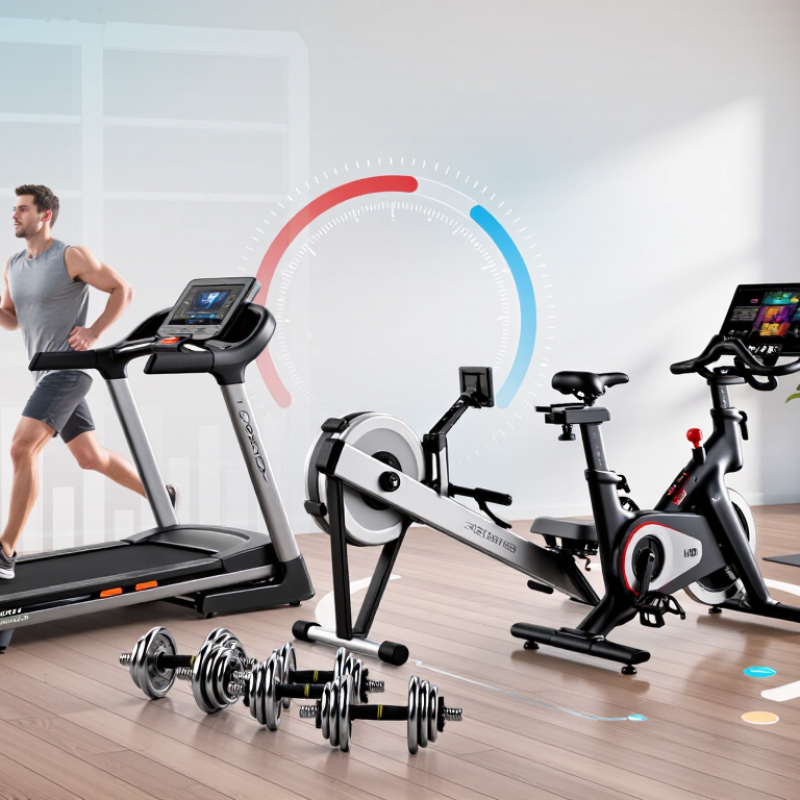
2026 Top Fitness Equipment Why Is Regular Fitness Good for Health?

Understanding Regular Fitness and Its Role in Health

Regular fitness means moving your body consistently, not chasing exhausting workouts. A brisk 20-minute walk after dinner can support cardiovascular health, mood, and daily energy. Resistance training twice weekly may strengthen muscles, bones, and joints when technique remains controlled. The key is repeatable effort. Small changes matter.

Health benefits develop through several connected habits. Moderate activity can improve insulin sensitivity and circulation, while regular movement may reduce stiffness from long sitting. During a home session, keep your spine neutral, breathe steadily, and stop if sharp pain appears. A simple log of duration, resistance, sleep, and soreness can reveal useful patterns. Numbers help, but they do not tell the whole story.

Fitness also supports mental resilience, especially when movement becomes a dependable pause from screens and work. Yet more exercise is not always better. Poor recovery, persistent fatigue, dizziness, or worsening pain deserves attention from a qualified healthcare professional. Beginners often increase intensity too quickly, then lose consistency after one difficult week. A calmer plan usually works better: two strength sessions, several walks, and rest between harder efforts. I still find this part difficult. Motivation changes, and plans need adjustment.

Exploring the Top Fitness Equipment for 2026

Exploring the top fitness equipment for 2026 means looking beyond flashy screens. The strongest choices support regular movement, measurable progress, and safe form. Adjustable dumbbells save space and allow gradual loading for presses, rows, and squats. A foldable rowing machine adds low-impact cardio while engaging the legs, back, and arms. An adjustable bench makes those exercises more stable. Smart heart-rate monitors can show effort during intervals, but their readings are not medical diagnoses. Use them as guides, not judges. Current exercise guidance favors consistency over exhausting sessions. That matches what I see in practical training.

Resistance bands deserve more attention. They fit in a drawer, challenge smaller stabilizing muscles, and work well for travel. A compact cable station offers smoother resistance and more exercise angles, especially for controlled strength work. Balance trainers can improve coordination, although unstable surfaces are not automatically better. Beginners may progress faster on firm ground. Choose equipment that matches your space, budget, fitness level, and available supervision. Check weight limits, locking mechanisms, cable wear, and floor stability before each session. I once underestimated setup time, and that mistake made training feel harder than necessary. Convenience matters. Even the best machine collects dust when adjustment feels confusing or uncomfortable. Small flaws remain. Some screens distract me, and several compact designs sacrifice comfortable handles for storage. That is worth questioning before purchase.

2026 Top Fitness Equipment: Why Is Regular Fitness Good for Health?

Estimated energy expenditure from common fitness equipment at moderate intensity for a 70 kg adult. Values are calculated from standard metabolic equivalent (MET) measurements and are estimates, not individual guarantees.

Regular physical activity supports cardiovascular fitness, muscle function, weight management, sleep quality, and overall well-being. The World Health Organization recommends adults complete at least 150–300 minutes of moderate-intensity aerobic activity or 75–150 minutes of vigorous activity per week, plus muscle-strengthening activities on two or more days. Combining aerobic equipment with resistance training can help create a balanced routine.

Matching Fitness Equipment to Different Training Goals

Matching Fitness Equipment to Different Training Goals

Choosing fitness equipment starts with the goal, not the trend. For cardiovascular health, a treadmill, rowing machine, or stationary bike can support steady sessions. The World Health Organization recommends 150–300 minutes of moderate activity weekly, or 75–150 minutes of vigorous activity. A simple heart-rate monitor can help control intensity, although it cannot replace professional assessment.

Strength goals need different tools. Adjustable dumbbells, resistance bands, and cable systems allow gradual loading across major muscle groups. WHO also advises muscle-strengthening activities on at least two days each week. ACSM’s 2025 Worldwide Survey of Fitness Trends identified wearable technology as a leading fitness trend. These devices can record exercise frequency, but numbers may encourage poor form or excessive training.

Mobility and balance require less equipment. A mat, foam roller, and stable step can support controlled movement at home. I have seen people buy heavy equipment, then avoid it because setup feels difficult. That mistake matters. Equipment should fit available space, experience, and recovery needs. A beginner might need lighter resistance and clear instructions, not a complicated station. Progress can be slower than expected. That is normal. Regular use matters more than impressive specifications.

2026 Top Fitness Equipment: Why Is Regular Fitness Good for Health? — Matching Fitness Equipment to Different Training Goals

Fitness Equipment Primary Training Goal Main Fitness Benefits Main Muscles or Systems Used Recommended Training Pattern Suitable Users Key Safety Consideration
Treadmill Walking, jogging, running, and aerobic conditioning Improves cardiorespiratory fitness, supports calorie expenditure, and allows precise control of speed and incline Heart, lungs, glutes, quadriceps, hamstrings, and calves 150–300 minutes of moderate aerobic activity or 75–150 minutes of vigorous activity per week, adjusted to fitness level Beginners, walkers, runners, and users training for endurance Increase speed or incline gradually; use the safety clip and avoid holding the handrails continuously
Stationary Bike Low-impact cardio and lower-body endurance Raises heart rate with less impact on the joints than running and supports interval training Quadriceps, hamstrings, glutes, calves, heart, and lungs 20–45 minutes per session, including steady-state or short interval blocks Beginners, older adults, cyclists, and people seeking joint-friendly cardio Adjust the seat so the knee remains slightly bent at the lowest pedal position
Elliptical Trainer Low-impact cardiovascular conditioning Provides aerobic training with reduced repetitive impact and can involve both the arms and legs Glutes, quadriceps, hamstrings, calves, shoulders, and arms Moderate continuous sessions or intervals lasting approximately 20–40 minutes People who want cardio with less impact than jogging Maintain an upright posture and keep the feet fully positioned on the pedals
Rowing Machine Full-body conditioning, power, and cardiovascular endurance Combines leg drive, trunk control, and upper-body pulling in one movement pattern Legs, glutes, back, shoulders, arms, heart, and lungs Short technique-focused intervals or 15–30 minutes of steady rowing Users seeking efficient full-body training and endurance development Use the sequence legs–trunk–arms during the drive and keep the lower back neutral
Adjustable Dumbbells Muscle strength, hypertrophy, and functional movement Support unilateral exercises, progressive resistance, and a wide range of upper- and lower-body movements Chest, back, shoulders, arms, core, glutes, and legs 2 or more days per week; commonly 1–3 sets of 8–12 controlled repetitions per exercise Home exercisers, beginners, and people building general strength Choose a load that allows controlled technique without compensatory movement
Resistance Bands Mobility, rehabilitation, strength endurance, and home workouts Portable resistance, accessible exercise variations, and useful assistance for mobility drills Depends on the exercise; commonly shoulders, back, arms, hips, glutes, and legs 1–3 sets of 10–20 controlled repetitions, 2 or more days per week Beginners, travelers, older adults, and users needing compact equipment Inspect bands for cracks and secure anchor points before applying tension
Cable Machine Controlled resistance, muscle development, and movement variety Provides adjustable resistance through multiple angles and supports both compound and isolation exercises Varies by attachment; can train the chest, back, shoulders, arms, core, hips, and legs 2 or more weekly sessions with 1–3 sets of approximately 8–15 repetitions Intermediate users, strength trainees, and people requiring exercise variety Select a stable stance and keep the cable path clear throughout each repetition
Power Rack with Barbell Maximal strength, compound lifting, and progressive overload Supports squats, presses, deadlift variations, and systematic strength progression Whole-body involvement, especially legs, glutes, back, chest, shoulders, and core Usually 2–4 strength sessions weekly with planned rest and gradual load progression Experienced lifters or beginners receiving qualified instruction Set safety pins correctly, use appropriate collars, and obtain instruction for heavy lifts
Kettlebell Power, conditioning, coordination, and functional strength Combines resistance with dynamic movement and can develop hip power and work capacity Glutes, hamstrings, core, shoulders, back, forearms, and legs Technique practice followed by short sets or circuits with adequate recovery Users with basic movement skills and interest in dynamic training Learn the hip-hinge pattern before performing swings or high-repetition movements
Yoga or Exercise Mat Flexibility, balance, mobility, core control, and recovery Creates a stable surface for stretching, bodyweight exercise, balance work, and mind–body practices Core, hips, legs, shoulders, and stabilizing muscles 10–30 minutes on most days or as a warm-up and cool-down accessory All fitness levels, including people prioritizing mobility and recovery Move within a comfortable range and stop if stretching causes sharp or persistent pain
Stair Climber Lower-body endurance and vigorous cardiovascular training Challenges the cardiovascular system while emphasizing repeated stepping and lower-body work Glutes, quadriceps, hamstrings, calves, heart, and lungs Start with 10–20 minutes and progress gradually according to tolerance Fit beginners, recreational athletes, and users training for climbing activities Stand tall, keep steps controlled, and avoid leaning heavily on the handrails
Health context: Regular physical activity can improve cardiorespiratory fitness, muscular strength, bone health, functional capacity, and mental well-being. Adults should generally combine weekly aerobic activity with muscle-strengthening activities on at least 2 days, while selecting equipment and intensity according to individual ability, health status, and training goals.

Building a Safe and Effective Regular Exercise Routine

Regular exercise can improve heart health, muscular strength, balance, sleep quality, and stress control. However, safe progress depends on a routine that matches your current ability. A health review is wise after a long break or when chronic symptoms exist. A qualified clinician or exercise professional can help identify suitable limits. Start gently. Walk for ten minutes, then add light mobility movements for your hips, shoulders, and ankles.

Build frequency before intensity. Two or three weekly strength sessions can include squats, wall push-ups, rows, and controlled hip hinges. Use a weight that allows steady movement without holding your breath. The talk test is practical: you should speak short sentences during moderate aerobic work. Leave recovery time between demanding sessions. Sharp pain, dizziness, unusual breathlessness, or chest pressure requires stopping and seeking medical advice.

My first routine was too ambitious. I increased resistance quickly and ignored lingering knee soreness. That mistake taught me to record effort, sleep, discomfort, and recovery instead of chasing impressive numbers. A simple notebook can reveal patterns after several weeks. Increase duration or resistance gradually, not both at once. Rest days are productive. Technique sometimes matters more than heavier equipment. Even so, perfect planning is unrealistic; travel, fatigue, and missed sessions happen. Adjusting the plan is better than abandoning it, although consistency still needs honest attention.

Evaluating Equipment Quality, Features, and Long-Term Value

A quality fitness machine should support consistent movement, not simply look advanced. The World Health Organization reports that 31% of adults worldwide remain insufficiently active. Reliable equipment can reduce barriers by making exercise easier at home. However, convenience alone does not create lasting habits.

Evaluate frame stability, resistance accuracy, noise, adjustability, and repair access. A strong frame should remain steady during fast movements. Handles should feel secure, even with sweaty hands. Digital features can track sessions, but they should not replace safe mechanics. ACSM’s 2025 Worldwide Survey of Fitness Trends placed wearable technology among the leading trends. Useful data may improve motivation, although numbers can also distract users from basic form. I once chose extra screens over better adjustment. That was a poor trade.

Tips: Test the equipment before purchase, if possible. Check warranty terms and replacement-part availability. Compare the total cost over five years, including maintenance. Choose adjustable resistance when several family members will use the machine. Measure the room first; a crowded corner can discourage training. Start with realistic sessions. A perfect setup is not always necessary. Reconsider your choice after four weeks of actual use. Fitness equipment should serve your routine, not control it.

FAQS

What does regular fitness mean?

It means moving consistently without chasing exhausting workouts. A brisk 20-minute walk can support daily energy and mood. Small efforts count.

How often should beginners exercise?

Try several walks and two controlled strength sessions weekly. Rest between harder efforts. Begin gently. Increase intensity slowly.

What equipment works well in a small home?

Adjustable dumbbells save space and support presses, rows, and squats. Resistance bands fit inside a drawer. A foldable rowing machine adds low-impact cardio.

Is an adjustable bench useful?

Yes, it can make pressing and rowing exercises more stable. Check its weight limit before use. Stability matters more than appearance.

Can fitness equipment improve mental wellbeing?

Regular movement can create a dependable pause from screens and work. A short evening walk may clear a crowded mind. Motivation still changes.

How can someone track fitness progress?

Record exercise duration, resistance, sleep, and soreness. These notes can reveal useful patterns. Numbers help, but they miss everything.

Are heart-rate monitors medical tools?

No, they only estimate exercise effort. Use readings as guides, not diagnoses. A screen can distract me sometimes.

What safety checks should happen before training?

Check locking mechanisms, cable wear, weight limits, and floor stability. Keep your spine neutral and breathe steadily. Stop when sharp pain appears.

Is unstable equipment always better?

No, unstable surfaces are not automatically superior. Beginners may progress better on firm ground. This point deserves more questioning.

When should someone seek professional advice?

Persistent fatigue, dizziness, or worsening pain deserves qualified healthcare attention. Recovery is part of training. More exercise is not always better.

Conclusion

Regular fitness plays an important role in supporting strength, endurance, mobility, and overall well-being. Why is regular fitness good for physical health? Consistent exercise helps improve heart and lung function, maintain a healthy body composition, strengthen muscles and bones, and increase energy for daily activities. It can also support better posture, balance, flexibility, and recovery when performed with proper planning.

In 2026, selecting suitable fitness equipment can make regular training more convenient and effective. Strength machines, resistance tools, cardio equipment, and mobility accessories can serve different goals, from building muscle and improving endurance to increasing flexibility and reducing injury risk. A safe routine should begin with realistic goals, gradual progression, warm-ups, correct technique, and adequate rest. When evaluating equipment, users should consider durability, adjustability, comfort, safety features, maintenance needs, available space, and long-term value. The best choice is equipment that matches personal needs and encourages consistent, enjoyable exercise.

Madeline

Madeline

Madeline is a dedicated marketing professional with a wealth of expertise in our company's core offerings. With a keen understanding of the industry, she brings a unique perspective to her role, consistently delivering high-quality content that highlights the superior aspects of our products. As......