Stress often arrives quietly: tight shoulders during a video call, shallow breathing, or a mind that keeps replaying tomorrow’s tasks. Exercise cannot remove every pressure, but it can change how the body responds. A brisk walk may lower physical tension while giving attention somewhere safer to land. That practical shift explains why movement belongs in many stress-management plans.
The World Health Organization reported in 2024 that nearly 1.8 billion adults were not sufficiently active in 2022. This matters because inactivity can reinforce fatigue, poor sleep, and emotional strain. The U.S. Department of Health and Human Services recommends 150 minutes of moderate activity weekly, plus muscle-strengthening activities on two days. That target is useful, but it can feel unrealistic after a difficult week. Smaller steps still count.
This guide explores How to reduce stress through exercise without treating fitness as another obligation. The seven tips focus on manageable choices, including walking after lunch, breathing steadily during strength training, and choosing enjoyable movement. Evidence from the American College of Sports Medicine and major public-health guidance supports regular activity for overall well-being. However, research does not promise instant calm, and personal results vary. I have found that a ten-minute walk can help, though it sometimes does not. That limitation deserves honesty. Exercise should support sleep, social connection, and professional care when needed, not replace them. Start gently, notice your body’s response, and adjust the plan rather than forcing perfection.
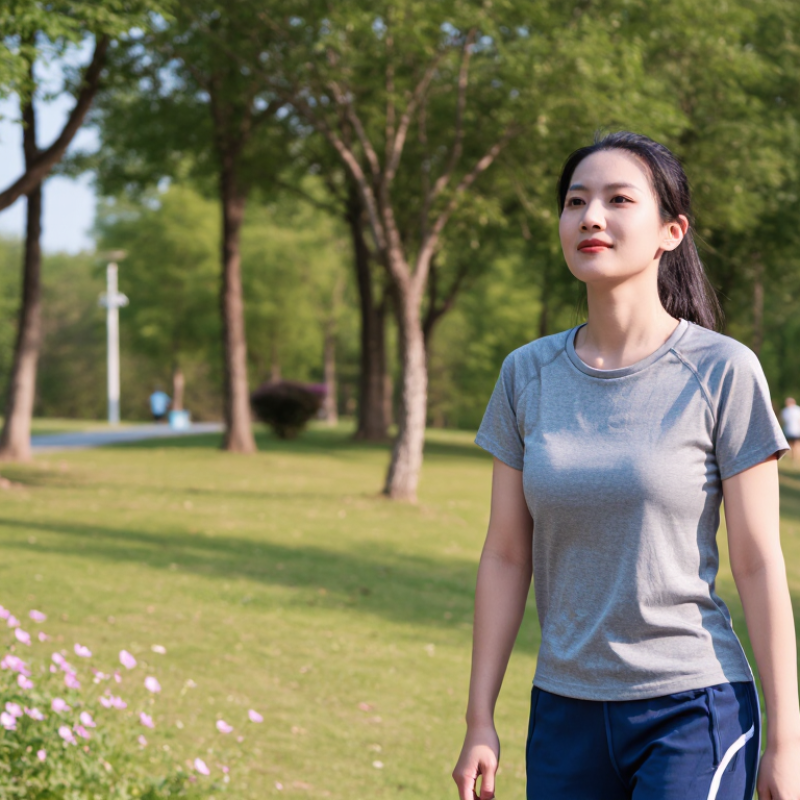
Exercise does more than burn energy. It can lower muscle tension, regulate breathing, and interrupt repetitive thoughts. During movement, the brain releases chemicals linked with mood and pain regulation. A brisk walk may also shift attention from an anxious thought to simple sensations: warm hands, steady footsteps, and cooler air. The World Health Organization’s 2020 guidelines recommend 150–300 minutes of moderate activity weekly for adults. That target is useful, but it is not a moral test.
Tip: Start with ten minutes. Walk after lunch, keeping your pace comfortable enough to speak.
Exercise may also improve sleep, which strongly affects stress resilience. Regular movement can help the body manage short-term stress responses, including a faster heartbeat and raised muscle alertness. The American College of Sports Medicine notes that moderate aerobic activity supports health when performed consistently. Still, harder training is not always better. A demanding workout after poor sleep may increase fatigue and irritation. I have found that “productive” exercise can sometimes become another pressure.
Tip: Match intensity to your day. Choose gentle cycling, stretching, or walking when your body feels depleted.
Consistency matters more than dramatic sessions. A 2022 review in Sports Medicine found that physical activity is associated with better mental health outcomes, although results vary between individuals and study designs. That uncertainty deserves attention. Exercise can reduce stress, but it cannot replace professional care when distress persists. Try exercising outdoors, without tracking every detail. Notice your breathing, shoulders, and mood before and after movement. Ten quiet minutes can still count.
| Tip | Exercise Approach | How It May Reduce Stress | Evidence-Informed Target | Practical Example | Safety Consideration |
|---|---|---|---|---|---|
| 1Start with manageable sessions | Light-to-moderate aerobic activity | Movement can help release physical tension, improve mood, and shift attention away from stressful thoughts. | Begin with 10–20 minutes, then gradually increase duration as your fitness and comfort improve. | Take a relaxed walk after work, choosing a pace that allows you to speak in full sentences. | Increase time and intensity gradually, especially if you have been inactive. |
| 2Use a consistent weekly routine | Regular moderate-intensity exercise | A predictable routine supports sleep, energy regulation, and healthy coping habits. | Aim for 150–300 minutes of moderate-intensity aerobic activity per week, spread across several days. | Schedule five 30-minute brisk walks, cycling sessions, or water-based workouts during the week. | Rest or use gentle activity when persistent soreness or unusual fatigue occurs. |
| 3Choose activities you enjoy | Enjoyable recreational movement | Enjoyment makes exercise easier to maintain and can provide a positive break from daily demands. | Select activities that fit your preferences, available space, schedule, and current ability. | Try dancing, gardening, hiking, recreational swimming, or a group-free home workout. | Enjoyment matters more than intensity; avoid activities that cause sharp or worsening pain. |
| 4Add strength training | Resistance exercise | Strength training can improve physical confidence, functional ability, and muscular resilience. | Perform muscle-strengthening activities on at least 2 days per week, covering major muscle groups. | Use body-weight squats, wall push-ups, resistance bands, or controlled lifting exercises. | Use controlled movements and proper technique; stop if you experience acute pain, dizziness, or chest discomfort. |
| 5Include mindful movement | Yoga, stretching, tai chi, or mobility work | Slower movement combined with breathing can encourage body awareness and relaxation. | Practice for 5–20 minutes, particularly during transitions between work, study, and rest. | Finish the day with gentle stretching while taking slow, comfortable breaths. | Stretch only to mild tension, never force a joint, and modify positions for existing injuries. |
| 6Use exercise as a short stress reset | Brief movement breaks | Short activity breaks interrupt prolonged sitting and may reduce feelings of mental overload. | Take several brief movement breaks throughout the day; even short periods of activity contribute to overall movement. | Walk, climb stairs safely, perform gentle mobility drills, or stretch for a few minutes between tasks. | Keep the intensity comfortable when you need to return immediately to focused work. |
| 7Pair exercise with recovery habits | Exercise, sleep, hydration, and breathing | Recovery helps prevent exercise from becoming another source of physical stress and supports emotional balance. | Balance active days with rest or easy movement, and maintain regular sleep and hydration habits. | After a workout, cool down, drink water, and follow it with a consistent evening wind-down routine. | Seek medical advice before starting vigorous exercise if you have a chronic condition, significant symptoms, or major health concerns. |
Aim for 150–300 minutes of moderate activity each week. Add muscle-strengthening sessions twice weekly. This is a guide, not a pass-or-fail test.
Start with ten minutes. Walk slowly after dinner or during lunch. Short sessions still provide useful health benefits. Ten minutes counts.
Attach movement to an existing habit, such as morning coffee or a lunch break. Choose activities that fit your real schedule. I once planned five workouts weekly and quit after two weeks.
Try brisk walking, cycling, gentle stretching, or bodyweight exercises. Wall push-ups and squats need little equipment. Moderate effort should allow short conversations.
Include two simple strength sessions each week. Use bodyweight squats, wall push-ups, or light resistance bands. Increase resistance gradually, not dramatically.
Record duration, effort, mood, and sleep after each session. A paper calendar can reveal patterns clearly. Track consistency, rather than calories or appearance.
Treat the missed session as information, not failure. Resume with a shorter walk or gentle session. Missing Tuesday does not erase Monday.
Reduce intensity when sleep, mood, or recovery declines. Stop for sharp pain, dizziness, chest discomfort, or unusual breathlessness. Seek qualified medical advice when necessary. Rest is part of progress.
Change one factor at a time, such as duration or resistance. Increase activity slowly when breathing and energy feel stable. Weather, workload, and poor sleep may require changes. More training is not always better.
How to reduce stress through exercise begins with understanding how movement supports both mental and physical well-being. Exercise can release built-up tension, improve mood, support better sleep, and help the body manage stress more effectively. The best choice depends on your current stress level and energy. Gentle activities such as walking, stretching, or breathing-focused movement may be ideal during overwhelming periods, while moderate aerobic exercise or strength training can provide a greater challenge when you feel ready.
A successful routine should be realistic, flexible, and easy to maintain. Start with manageable sessions, schedule them consistently, and use practical strategies such as warming up, exercising outdoors, combining different activities, and focusing on enjoyment rather than perfection. Tracking your mood, energy, and progress can help you recognize what works best. Adjust the intensity or duration safely when necessary, listen to your body, and allow enough time for rest and recovery.

 Parnal Fitness