Best Foods to Eat Before and After Exercise for Optimal Performance?

Time:2026-05-05 Author:Ethan
0%

When considering optimal performance during exercise, nutrition plays a critical role. Experts often emphasize the significance of pre- and post-workout meals. Nutritionist Dr. John Berardi states, "What you eat before and after exercise can dramatically affect your performance and recovery." This highlights the importance of knowing exactly what to consume.

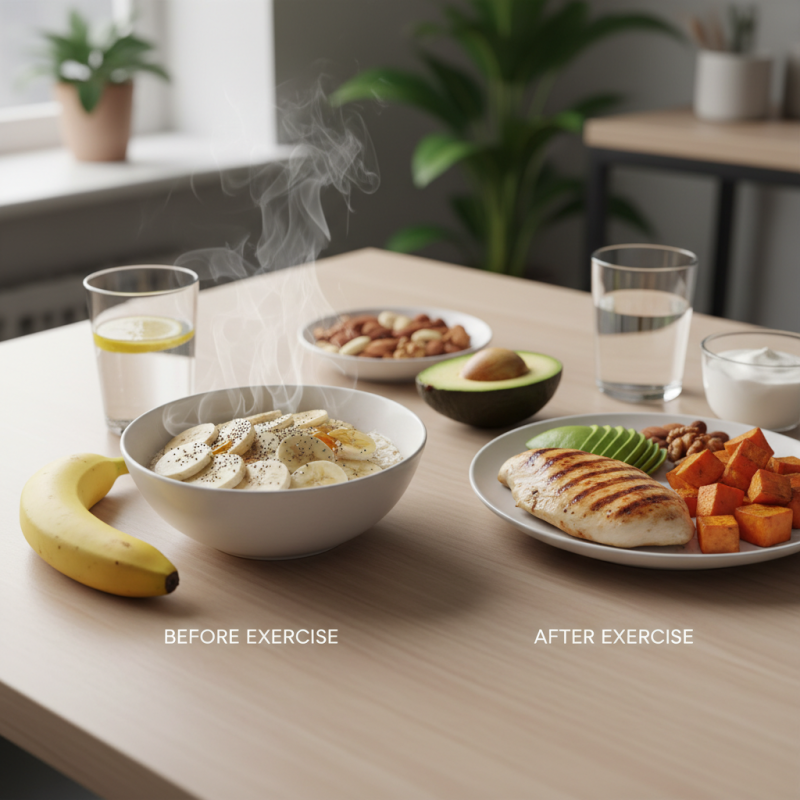
So, what should I eat before and after exercise? The right choices can boost energy levels and enhance recovery. For instance, a balanced meal rich in carbohydrates and protein is essential before hitting the gym. Foods like oatmeal and bananas can provide quick fuel. After exercising, a mix of protein and healthy fats helps repair muscle and replenish energy.

However, many people struggle with meal timing and food selection. Overthinking can lead to confusion. Remember, planning is key, but it’s okay to experiment and find what works best for you. Listening to your body and adjusting your nutrition strategy can lead to better outcomes. Feeding your body properly can make all the difference in achieving your fitness goals.
Best Foods to Eat Before and After Exercise for Optimal Performance?

Best Foods to Eat Before Exercise for Enhanced Energy Levels

Nutrition plays a crucial role in enhancing energy levels before exercise. Foods rich in complex carbohydrates are essential. These carbs provide a steady source of energy. Oatmeal, whole-grain bread, and fruits are excellent choices. According to sports nutrition experts, consuming 30 to 60 grams of carbohydrates about 30 minutes prior can boost performance. This approach is backed by a report from the International Society of Sports Nutrition, highlighting that proper pre-exercise fueling can enhance endurance and strength.

Hydration is equally important. Dehydration can lead to fatigue and decreased performance. Drinking water or electrolyte-rich beverages helps maintain fluid balance. A study revealed that even mild dehydration could impair exercise capacity by up to 30%. Some athletes prefer a light snack, such as yogurt or a banana, to curb hunger and prevent energy dips. It's critical to listen to your body and adjust your intake based on personal needs.

However, individual responses to food can vary widely. Not everyone tolerates the same pre-exercise meals. Experimenting with different foods is key to finding what works best. Some individuals report feeling sluggish after certain high-fiber foods or heavy meals. Hence, monitoring how various foods affect your energy and performance is vital for optimal exercise outcomes.

Recommended Macronutrient Ratios for Pre-Workout Nutrition

When considering pre-workout nutrition, focusing on the right macronutrient ratios can enhance your performance. A balanced meal, rich in carbohydrates, protein, and healthy fats, fuels energy levels effectively. Aim for a ratio of 60% carbs, 20% protein, and 20% fats. This combination ensures that your body has readily available energy to power through your workout.

Carbohydrates provide quick energy. Whole grains, fruits, and vegetables are excellent sources. They help replenish glycogen stores and maximize endurance. Protein is crucial, too. It aids muscle repair and growth. Lean sources like chicken, fish, or plant-based options are recommended. Healthy fats, from nuts and avocados, support sustained energy but should be consumed in moderation.

Timing matters as well. Ideally, consume a meal 1-3 hours before your workout. Don’t skip this step, as it can lead to fatigue. Experiment with portion sizes and combinations to find what works best for your body. Everyone's needs are different. Listening to your body can lead to better performance. Reassess what you eat pre-workout to ensure it aligns with your fitness goals.

Top Hydration Tips to Optimize Performance During Workouts

Hydration plays a crucial role in optimizing performance during workouts. Dehydration can lead to fatigue, reduced endurance, and impaired focus. It’s essential to drink water throughout the day. Aim to consume enough fluids before, during, and after exercise. A good rule of thumb is to drink 17-20 ounces about two hours before working out. During intense sessions, sip water every 15-20 minutes.

Consider electrolyte-rich drinks, especially if exercising for over an hour. They help replenish what your body loses through sweat. Pay attention to your urine color; if it’s dark, you may need more fluids. However, moderation is key. Overhydration can lead to imbalances in electrolytes, causing problems.

Listening to your body is vital. Thirst is a natural signal, but it may not always be immediate. Monitor how you feel during workouts. Fatigue or dizziness can indicate inadequate hydration. Keep experimenting to find the hydration balance that works for you. Ensure you hydrate consistently, not just during workouts. This habit will enhance your overall performance and recovery.

Best Foods to Eat Before and After Exercise for Optimal Performance

This chart illustrates the optimal foods to consume before and after exercising to enhance performance and recovery. The data represents the average percentage of athletes who prefer each food item for pre-workout and post-workout meals.

Ideal Post-Workout Foods for Muscle Recovery and Growth

Post-workout nutrition plays a crucial role in muscle recovery and growth. Consuming the right foods can significantly affect performance levels and overall recovery. According to the International Society of Sports Nutrition, a combination of protein and carbohydrates after exercise enhances muscle glycogen replenishment and promotes muscle protein synthesis.

Ideal post-workout foods include lean proteins like chicken, turkey, and fish. These provide the essential amino acids needed for muscle repair. Pairing these with complex carbohydrates, such as sweet potatoes or quinoa, can hasten recovery. Research suggests that for optimal muscle recovery, consuming protein within 30 minutes post-exercise is beneficial. This timeframe supports muscle repair and supports training adaptations.

Hydration is equally essential. Water replenishes fluids lost during workouts. Electrolytes can help maintain balance and support muscle function. Many overlook the impact of proper hydration, leading to prolonged muscle soreness and fatigue. A well-rounded post-workout meal that is protein-rich, carbohydrate-focused, and appropriately hydrated can make a significant difference in recovery and performance.

Timing Strategies for Consuming Food Before and After Exercise

Proper timing for nutrition around exercise plays a critical role in performance and recovery. Consuming the right foods before a workout can increase endurance and strength. A study from the Journal of the International Society of Sports Nutrition highlights that a carb-rich meal two to three hours before exercise enhances performance. Complex carbohydrates, like whole grains and fruits, provide steady energy. Meanwhile, a small snack, such as a banana or yogurt, about 30 minutes prior can offer a quick energy boost.

Post-exercise nutrition is equally vital. The American College of Sports Medicine recommends consuming protein and carbohydrates within 30 minutes after working out. This refueling period is essential for muscle repair. A combination of protein and carbs can maximize muscle recovery and glycogen replenishment. Foods like eggs with toast or a smoothie with berries and protein powder are excellent options. Reflecting on personal habits, many overlook this crucial recovery period. Establishing a consistent post-exercise routine can foster better outcomes over time.

FAQS

: What kind of foods should I eat before exercising?

: Focus on complex carbohydrates like oatmeal, whole-grain bread, and fruits. They provide a steady energy source.

How much carbohydrates should I consume before a workout?

Aim for 30 to 60 grams of carbohydrates about 30 minutes prior to exercise for enhanced performance.

Why is hydration important before exercising?

Dehydration can decrease performance and lead to fatigue. Drink water or electrolyte-rich beverages for fluid balance.

Can I eat snacks before exercising?

Yes, light snacks like yogurt or a banana can prevent hunger and maintain energy levels during workouts.

When should I eat a pre-workout meal?

Eat a balanced meal 1-3 hours before exercising to avoid fatigue and boost performance.

How can individual food responses affect my workout?

Different foods affect energy levels differently. Monitor your body's reactions to find what works best for you.

What is the ideal macronutrient ratio for pre-workout meals?

A good ratio is 60% carbs, 20% protein, and 20% fats. This ensures sustained energy for workouts.

What should I eat immediately after a workout?

Consume protein and carbohydrates within 30 minutes after exercising to aid muscle repair and recovery.

How can I reassess my pre-workout nutrition?

Reflect on your eating habits and adjust portions or combinations to align with your fitness goals and needs.

What are common mistakes regarding post-exercise nutrition?

Many people overlook eating after workouts. Establishing a post-exercise routine is crucial for better recovery outcomes.

Conclusion

To optimize performance, it's essential to focus on what you eat before and after exercise. Pre-workout nutrition should prioritize foods that enhance energy levels, with a balanced ratio of macronutrients such as carbohydrates for quick energy and proteins for sustained performance. Staying hydrated is also crucial; proper hydration can significantly improve workout effectiveness.

Post-workout, the focus shifts to muscle recovery and growth. Ideal foods should include a mix of proteins for rebuilding muscle and carbohydrates to replenish glycogen stores. Timing is important as well; consuming the right foods within recommended windows can maximize the benefits of both pre- and post-exercise nutrition. If you're wondering, "What should I eat before and after exercise?" remember to prioritize nutrient-dense options and hydration to support your fitness goals.

Ethan

Ethan

Ethan is a seasoned marketing professional with a deep expertise in our company's innovative product line. With a passion for sharing knowledge and insights, he takes the lead in regularly updating our corporate blog, where he explores industry trends, product features, and effective marketing......