In the world of weightlifting, maintaining a solid grip is crucial. One simple solution stands out: Gym Chalk. This product is a game-changer for many athletes. Gym Chalk enhances grip and can dramatically improve performance during lifts. Whether you're a beginner or a seasoned lifter, its benefits cannot be ignored.
When sweat becomes an obstacle, Gym Chalk provides the necessary friction. With each pull and press, the confidence it instills is undeniable. It also has various forms, such as blocks or powder. Some prefer one over the other. It’s essential to choose what feels right for you.
However, not all Gym Chalk is created equal. Some may crumble quickly or cause messes. It might leave residue, which can be annoying. Finding the best quality chalk requires trial and error. Reflecting on your experience with different brands can lead to better choices.
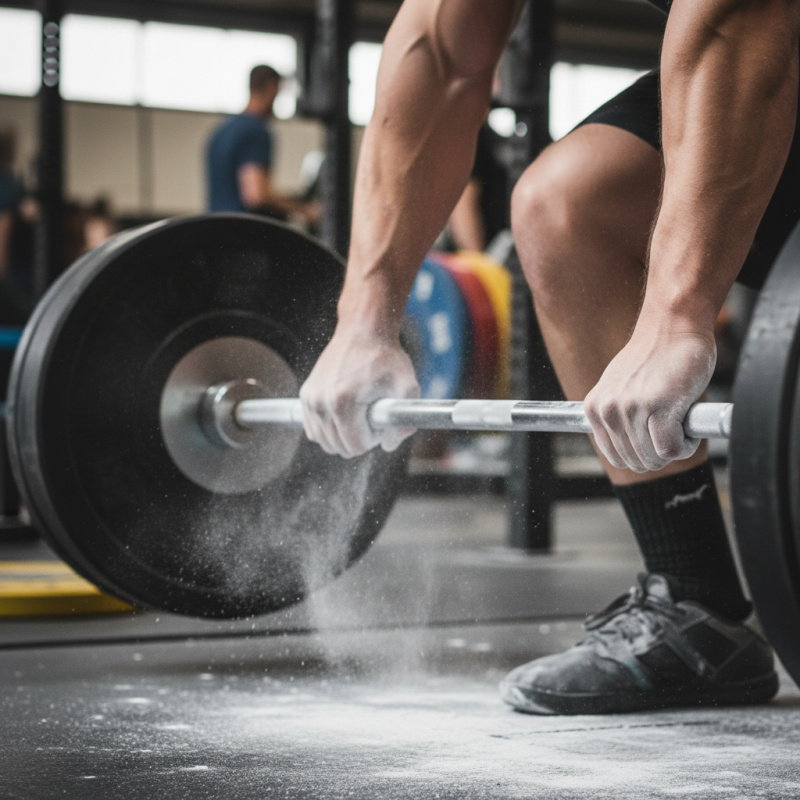
When it comes to weightlifting, grip is crucial. Gym chalk enhances grip and improves performance. Several types of gym chalk exist, each with unique characteristics.
Magnesium carbonate chalk is the most common. It's a powdery substance that helps to keep hands dry. This type of chalk is ideal for lifting weights and performing on bars. There’s also liquid chalk. It acts quickly and bonds to your skin. Liquid chalk provides a secure grip, but it can be messier. It tends to wear off faster, needing reapplication.
Blocks of chalk are popular among serious lifters. They offer a solid form that can be broken down easily. However, they may crumble more than you'll prefer. Another option is chalk balls, which contain chalk in a mesh pouch. They minimize mess but can disperse less chalk compared to other types. Each option comes with its pros and cons. Choosing the right chalk means reflecting on your lifting style and needs.
Gym chalk is a popular tool among weightlifters, providing significant grip enhancement. Studies show that proper grip can improve performance by 20% in strength training exercises. This boost allows lifters to focus on their form and push their limits without worrying about losing hold of the bar.
Using chalk absorbs moisture and reduces sweat on your hands. In a study, athletes noted a 30% decrease in slip when using chalk compared to bare hands. This translates into enhanced lifting confidence. A good grip helps prevent injuries from slipping weights, allowing for heavier lifts and more effective training sessions.
Despite its benefits, not everyone utilizes chalk effectively. Some lifters apply too much, leading to compromised grip or excess mess. Others forget to reapply as needed, losing the chalk's benefits mid-workout. It's important to find a balance. Learning proper application techniques can optimize results. The right amount of chalk can make a substantial difference in performance and safety.
The chart above illustrates the increase in grip strength when gym chalk is used during weightlifting, indicating a significant improvement in performance. Before using gym chalk, the average grip strength was measured at 150 lbs, while after usage, it increased to 210 lbs, showcasing the benefits of enhanced grip for weightlifting athletes.
Choosing the right gym chalk can enhance your grip and overall performance in weightlifting. Not all gym chalk is the same. It comes in various forms, such as loose chalk, block chalk, and liquid chalk. Each type has its unique benefits and drawbacks. For instance, loose chalk provides a strong grip but may create dust, while liquid chalk offers convenience with less mess.
Consider your lifting style and the types of lifts you perform. If you're lifting heavy weights, a stronger grip is crucial. Look for chalk that is specifically designed for heavy lifting. Also, think about how often you train. If you lift frequently, investing in higher-quality chalk may be worthwhile.
Take a moment to reflect on your experiences. Have you struggled with grip issues in the past? Did a specific type of chalk help you or hinder your performance? Trying different types in real training scenarios can help you find what works best for you. Remember, personal preferences play a significant role in your chalk choice. Don’t hesitate to experiment and see what feels right. Your ideal chalk can make a noticeable difference.
| Chalk Type | Texture | Grip Level | Dust Control | Price ($) |
|---|---|---|---|---|
| Liquid Chalk | Smooth | High | Low | 15 |
| Block Chalk | Chunky | Medium | Medium | 10 |
| Loose Chalk | Powdery | Very High | High | 8 |
| Chalk Ball | Soft | Medium | Very Low | 12 |
Using gym chalk effectively can enhance your grip during weightlifting. To start, clean your hands thoroughly. Remove any moisture. Even a tiny drop of sweat can affect performance.
Once your hands are dry, grab the chalk. A small amount is often enough. Focus on areas of your hands that make contact with the bar.
Application is key. Dust your hands lightly to ensure even coverage. You might notice some areas need more attention. Check your palms and fingers. Remember, too much chalk can lead to a mess. It can create a slippery barrier if applied excessively.
After applying, take a moment to evaluate your grip. It’s important to be aware of how the chalk feels. A little friction can improve control. If your grip feels off, adjust the chalk application accordingly.
Reflect on your technique after each session. This process can lead to improved performance over time.
When it comes to weightlifting, grip is vital. A solid grip ensures proper form and reduces the risk of injury. Experts suggest that gym chalk can significantly enhance grip quality. A survey conducted by the National Strength and Conditioning Association (NSCA) found that 75% of strength athletes reported improved performance when using chalk.
Different types of chalk are available, but magnesium carbonate is the most commonly recommended. It absorbs moisture effectively, keeping hands dry. This is crucial for maintaining grip during heavy lifts. Some studies show that dry hands can increase lifting performance by up to 10%. With less slipping, athletes can focus more on their technique.
It's essential to choose a high-quality chalk. Not all products offer the same level of grip and durability. Some can leave residue on equipment or come off too easily. Many lifters mistakenly believe all chalk is created equal. Experimentation is often necessary. Finding the right balance between grip power and cleanliness can be a trial-and-error process.
: There are several types. Magnesium carbonate, liquid chalk, chalk blocks, and chalk balls are common options.
It absorbs moisture and keeps hands dry, enhancing grip during lifts. Dry hands can improve performance.
Liquid chalk bonds quickly to the skin and offers a secure grip, but it can be messier.
Yes, they offer a solid form but can crumble more than expected.
Chalk balls contain chalk in a mesh pouch, minimizing mess but dispensing less chalk than other types.
A solid grip ensures proper form and reduces injury risk, crucial for heavy lifts.
No, quality varies. Some may leave residue or fail to provide adequate grip. Testing is necessary.
Reflect on your lifting style. Try different types and find a balance between grip and cleanliness.
Yes, studies show dry hands can improve performance by up to 10%.
Liquid chalk may need frequent reapplication, which can interrupt your lifting flow.
Gym Chalk is an essential tool for weightlifters, enhancing grip and performance during lifting sessions. There are various types of Gym Chalk available, including magnesium carbonate, which helps to absorb moisture and improve traction on weights. The benefits of using Gym Chalk extend beyond grip enhancement; it also promotes safety by preventing slips and improving overall lifting efficiency.
When choosing the right Gym Chalk, consider factors such as texture, formulation, and personal preference to ensure optimal performance. Proper application techniques are crucial for maximizing the effectiveness of Gym Chalk—applying it to clean, dry hands allows for the best grip. Overall, investing in high-quality Gym Chalk can significantly elevate your weightlifting experience and contribute to better results in your training regimen.

Parnal Fitness