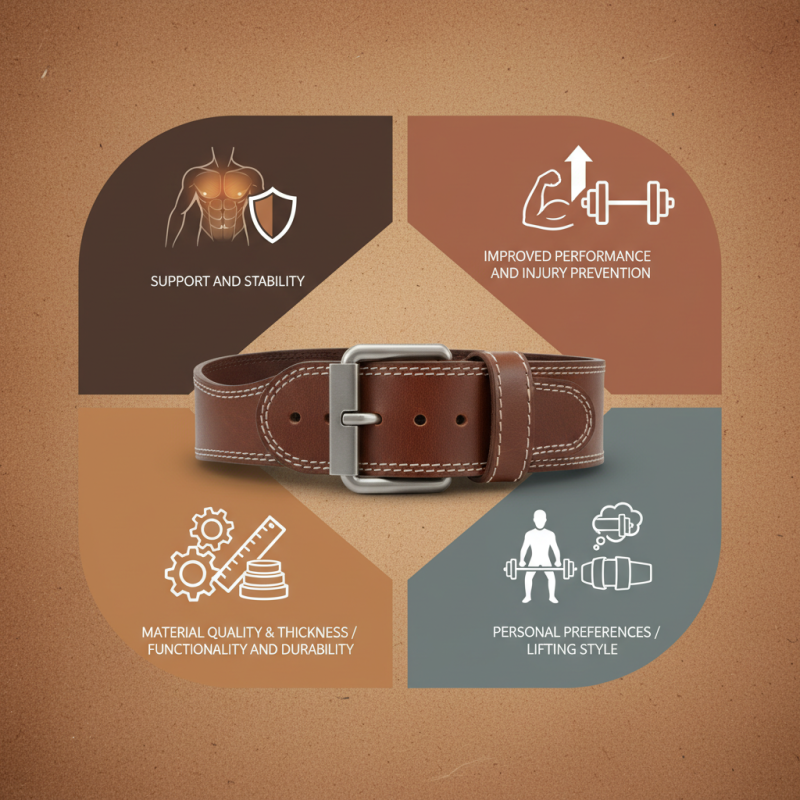
When it comes to lifting, the right gear makes a significant difference. A Leather Lifting Belt is essential for both beginners and seasoned athletes. It provides support and stability during intense workouts. Choosing the best one can improve your performance and prevent injuries.
However, not all leather belts are created equal. Many factors determine their effectiveness, such as material quality and thickness. A good belt should not only fit well but also withstand heavy lifting. You want a belt that feels comfortable and secure.
It’s important to acknowledge personal preferences. Your lifting style influences the ideal choice. Some may prefer a thicker belt, while others find a narrower design more suitable. Reflecting on your own lifting habits can lead to better decisions. Always prioritize functionality and durability in your search for the perfect Leather Lifting Belt.
When choosing a leather lifting belt, consider your specific needs. The right belt can enhance your lifting experience and support your performance. Look for features like thickness and width. A thicker belt often provides more support. However, it may limit your mobility. Balance is key here.
Another aspect to think about is the quality of the leather. Full-grain leather tends to be more durable and comfortable. It molds to your body over time, offering a personalized fit. However, finer leather may come with a higher price tag, which can be a barrier for some lifters.
Lastly, the fit of the belt is crucial. It should feel snug but not restrictive. You should be able to take deep breaths while wearing it. Consider your lifting style, as some may require a tighter fit for heavy lifts. Reflecting on these factors can help you make an informed choice and boost your lifting journey.
When choosing a leather lifting belt, certain features are essential for optimal support. The quality of the leather is paramount. A thicker, high-grade leather provides durability and resilience. Thinner leather may wear out quickly, compromising its support and performance. A quality belt should also be reinforced at the edges to prevent fraying.
Consider the width and thickness of the belt as well. A wider belt distributes pressure evenly across the abdomen, offering better support during heavy lifts. While a thicker belt can improve bracing, it may be challenging for some users to adjust. Striking a balance between comfort and support is crucial, especially for beginners who may not be accustomed to the pressure a belt can create.
Buckle design is often overlooked but plays a significant role. A sturdy buckle, whether single or double prong, ensures a secure fit. This prevents the belt from loosening during lifts, which can lead to injury. Look for adjustable options, as a customizable fit enhances safety. Reflections on personal preferences are important here; what works for one may not be ideal for another.
| Feature | Description | Importance |
|---|---|---|
| Material | Full-grain leather provides durability and support | High - Ensures long-lasting performance |
| Width | Typically ranges from 4" to 6" | Medium - Wider belts offer better support |
| Thickness | A thickness of 10mm to 13mm is standard | High - Affects support and comfort |
| Buckle Type | Prong or lever buckles for secure fit | Medium - Affects ease of use |
| Adjustability | Multiple size options or adjustable designs | High - Ensures proper fit |
| Comfort | Padded support for better fit | High - Reduces discomfort during lifts |
| Warranty | Manufacturer’s warranty for quality assurance | Medium - Adds confidence in purchase |
When choosing the best leather lifting belt, it's essential to assess different brands for optimal performance. A recent study from the International Journal of Sports Physiology indicates that lifting belts can enhance core stability and reduce injury risk by up to 40%. Each brand offers unique designs that cater to various lifting styles and body types. However, not all belts provide equal support or comfort.
Tips: Look at belt width. Wider belts often offer more support but can limit mobility during some lifts. Test different thicknesses to find what feels best.
In user reviews, several lifters reported dissatisfaction with the durability of certain brands. While leather is generally resilient, poor craftsmanship can lead to premature wear. Seek belts made from high-quality leather. Research shows that well-constructed belts not only last longer but also enhance lifting performance considerably.
Tips: Pay attention to buckle quality. A sturdy buckle can make a significant difference in belt security during heavy lifts. Always check for adjustable features. This ensures a snug fit during workouts.
This bar chart compares different performance metrics of leather lifting belts, focusing on durability, comfort, support, price, and weight. The scores range from 1 to 10, providing a visual representation of which aspects are prioritized in selecting a lifting belt.
Using a leather lifting belt correctly can significantly enhance your weightlifting experience. First, ensure the belt fits snugly around your waist. A proper fit prevents any slipping during lifts. When wearing the belt, position it just above your hips. This location provides optimal support for your lower back and core.
Engaging your core is essential. Take a deep breath and fill your abdomen with air before you start your lift. This pressure creates intra-abdominal support, which is crucial for maintaining stability. As you lift, push your stomach against the belt. This technique aids in reducing the risk of injury.
Practice is key. Many lifters struggle with proper belt usage initially. It's common to feel uncomfortable or even restricted. However, the more you incorporate the belt into your routine, the more natural it will feel. Don’t rush the process. Focus on your form before relying too heavily on the belt's support. Adjustments may be necessary as you find what works best for your body.
Maintaining your leather lifting belt is crucial for its longevity and performance. After each use, wipe it down with a damp cloth to remove sweat and grime. This simple step can prevent damage and extend its lifespan. Additionally, avoid exposing your belt to excessive moisture.
Leather can warp or crack when it absorbs too much water.
Conditioning your belt at least once a month is another key practice. Use a leather conditioner designed for heavy-duty equipment. This helps keep the leather supple and prevents it from becoming brittle. Pay attention to any signs of wear. If you notice scratches or scuffs, treat them early to avoid further damage.
Proper storage is also essential. Store your belt flat or hang it up in a well-ventilated area. Avoid folding it, as this can create creases. Reflecting on these practices can significantly impact the longevity of your belt. Taking care of your equipment shows respect for your training journey.
: Consider thickness and width for support. A thicker belt provides more support but can limit mobility.
Full-grain leather is durable and molds to your body. However, it may be more expensive.
The belt should feel snug but not restrictive. You need to breathe deeply without discomfort.
Yes, various brands offer different support and comfort levels. Research might reveal better options for your needs.
Some users note issues with durability. Poor craftsmanship can lead to faster wear and tear.
A sturdy buckle enhances belt security during lifts. It prevents slipping and improves confidence while lifting.
Position the belt just above your hips. Engage your core and push your stomach against the belt when lifting.
Yes, many feel uncomfortable at first. It takes practice to incorporate it effectively into your routine.
Focus on your form before relying on the belt. Adjustments may be necessary as you find your comfort zone.
When selecting the best Leather Lifting Belt for your fitness needs, it’s crucial to understand the key features that ensure optimal support and performance. Key considerations include material durability, thickness, and appropriate sizing to provide adequate support during heavy lifts. Assessing various brands of Leather Lifting Belts can help you find the perfect fit, catering to your unique lifting style and strength training goals.
To maximize the benefits of your Leather Lifting Belt, it's essential to learn how to use it properly, ensuring it is worn at the right tension and position. Additionally, regular maintenance will extend the longevity of your belt, keeping it in top condition. By following these guidelines, you can enhance your strength training sessions and protect your back effectively.

Parnal Fitness