Creating a home workout routine can feel overwhelming. However, understanding how to build a simple home workout routine can simplify the process. With our busy lives, finding time to go to the gym is challenging. A well-structured home workout allows you to stay fit without leaving your house.
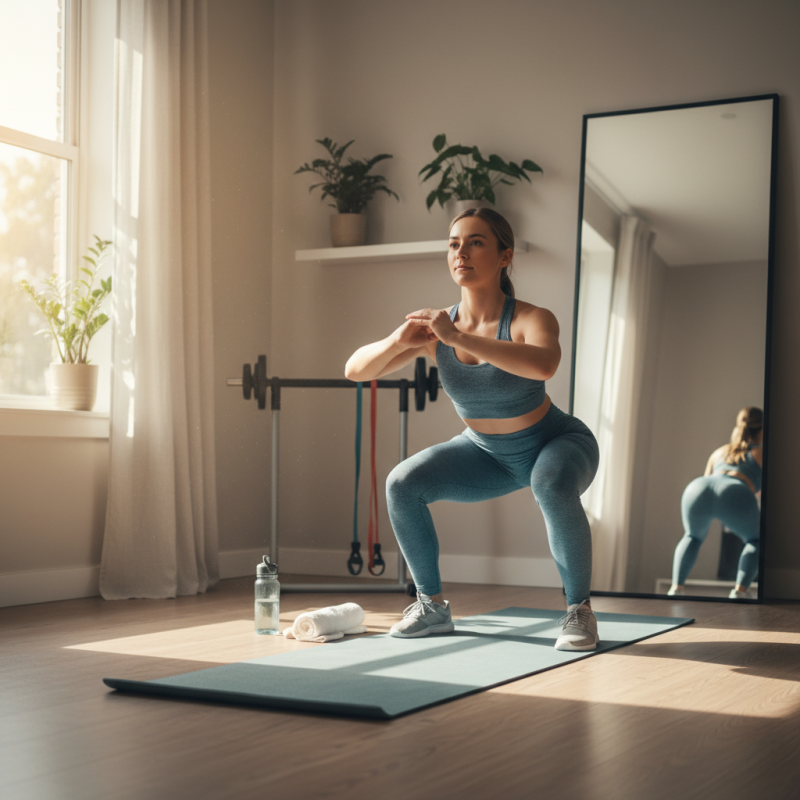
You need space, basic equipment, and a plan. Even a small area can work. Simple bodyweight exercises, like push-ups and squats, can be effective. Yet, many struggle with motivation. Finding a balance between work and workouts is essential. It’s okay to miss days; what matters is getting back on track.
Reflect on your goals. Are you looking to lose weight, gain strength, or improve endurance? Be honest with your needs. Adaptations to your routine may be necessary, and that’s part of learning. Remember, it’s a journey. Embrace the trial and error as you discover what works best for you.
Understanding the Importance of a Home Workout Routine
Many people underestimate the importance of a home workout routine. A recent report found that 78% of individuals who exercise at home stay consistent. Building a routine can raise motivation levels. It also offers flexibility in scheduling workouts. You can decide when to exercise, making it easier to fit into your day.
A home workout can be quite effective. Research shows that just 30 minutes a day of moderate-intensity exercise can improve mood. Yet, many feel discouraged by a lack of equipment or space. Start small. Every step counts, even without fancy gear. Utilize bodyweight exercises like push-ups or squats. These are simple yet efficient.
Nonetheless, one challenge remains: staying committed. Procrastination often creeps in. Creating a visible schedule can help. Write down your plan and track your progress. Reflecting on your achievements can reinforce good habits. Remember, consistency is key, even if it feels imperfect. Embrace the process and keep moving forward.
Assessing Your Fitness Level and Goals
Understanding your fitness level is crucial. Take a moment to evaluate where you stand. Are you a beginner or more advanced? Knowing this helps you set realistic objectives. Keep a journal of your workouts. This insight shows progress and areas needing attention.
Next, clarify your fitness goals. Do you want to lose weight, gain muscle, or improve endurance? Specific goals are easier to track. Maybe you aim to run a mile without stopping. Or perhaps you want to lift a certain weight. Be honest with yourself about what you can achieve.
Reflecting on past experiences can guide your future. Consider what has worked for you before. Have you enjoyed group classes or solo workouts? Think about the activities that bring you joy and motivation. Emphasize those in your routine. Remember, it's not about perfection but progress. Every small step counts.
2026 Best Tips to Build a Simple Home Workout Routine
| Fitness Level |
Recommended Workouts |
Frequency (Per Week) |
Duration (Minutes) |
Goals |
| Beginner |
Bodyweight exercises, Walking |
3-4 |
20-30 |
Weight Loss, Endurance |
| Intermediate |
Resistance training, HIIT |
4-5 |
30-45 |
Muscle Gain, Fitness |
| Advanced |
CrossFit, Plyometrics |
5-6 |
45-60 |
Performance, Endurance |
Essential Equipment for a Simple Home Workout
Setting up a simple home workout routine starts with essential equipment. You don’t need a fully stocked gym at home. A few basic items can significantly enhance your workouts.
Resistance bands, a yoga mat, and dumbbells can provide a solid foundation. You can use
resistance bands for strength training. They are versatile and take up little space.
Consider a yoga mat for floor exercises. It offers comfort and stability, helping you focus on your movements. Dumbbells are great for strength building. You can find adjustable weights that fit your space. If you are unsure about exercises, many online resources are available. Explore these to find what suits you.
Always listen to your body. It’s okay to start slow. If something feels off, modify your workout. Maybe you’ll skip a day or switch exercises. Consistency is important, but so is self-care. Aim for a balance that works for you. With these tips, creating a workout routine becomes manageable and effective.
Creating a Balanced Weekly Workout Schedule
Creating a balanced weekly workout schedule is essential for anyone looking to build a simple home workout routine. Research indicates that adults should aim for at least 150 minutes of moderate aerobic activity each week. This can be broken down into manageable sessions. For instance, five days a week with 30 minutes per session can achieve this goal effectively.
Incorporating strength training is equally important. Experts recommend at least two sessions a week. This doesn’t need fancy equipment; bodyweight exercises can work wonders. Push-ups, squats, and planks can be effective home staples. However, many struggle with consistency. Often, motivation wanes after the initial enthusiasm. Reflection on personal goals and the desired workout environment can help re-establish commitment.
Flexibility and variety in workouts should not be overlooked. The American Council on Exercise notes that changing routines can prevent plateaus in progress. Dance, yoga, or even a brisk walk outdoors could enhance engagement. Yet, too much variety may lead to confusion or inconsistency. Finding the right balance between routine and exploration is the key to sustainable progress in any home workout journey.
Staying Motivated and Tracking Your Progress
Staying motivated is key to a successful home workout routine. Research shows that 60% of people struggle to maintain motivation over time. To combat this, find activities that truly engage you. Enjoyment leads to consistency. Experiment with different types of exercises. You might discover a passion for yoga or strength training. The journey matters more than perfection.
Tracking progress is crucial for keeping motivation high. Studies indicate that setting measurable goals can make a difference. For example, record workout duration or the number of repetitions. Use a simple notebook or an app. Visualizing your improvements pushes you to keep going. Celebrate small victories along the way. These create a sense of achievement that is hard to ignore.
It’s okay to face setbacks. Sometimes, life gets in the way, and workouts are missed. Reflect on why this happens. Adjust your schedule or workout intensity. A little flexibility goes a long way. Remember, consistency is not about perfection but the . As you identify barriers, you can create effective strategies to overcome them.
Conclusion
Building a simple home workout routine can significantly enhance your fitness journey by providing flexibility and convenience. Understanding the importance of maintaining a consistent exercise regimen is key; it not only boosts physical health but also contributes to mental well-being. To start, assess your fitness level and clearly define your goals, which will help tailor your workouts according to your needs.
Essential equipment can be minimal, focusing on items like resistance bands or free weights, ensuring everyone can get started without a significant financial investment. A balanced weekly workout schedule that includes various exercises can help target different muscle groups while keeping your routine engaging. Finally, staying motivated and tracking your progress is crucial for long-term success. By following these tips on how to build a simple home workout routine, you can create an effective, enjoyable path to achieve your fitness objectives.

 Parnal Fitness