China Top 10 Hydration Products Why Is Hydration Important?

Time:2026-09-29 Author:Madeline
0%

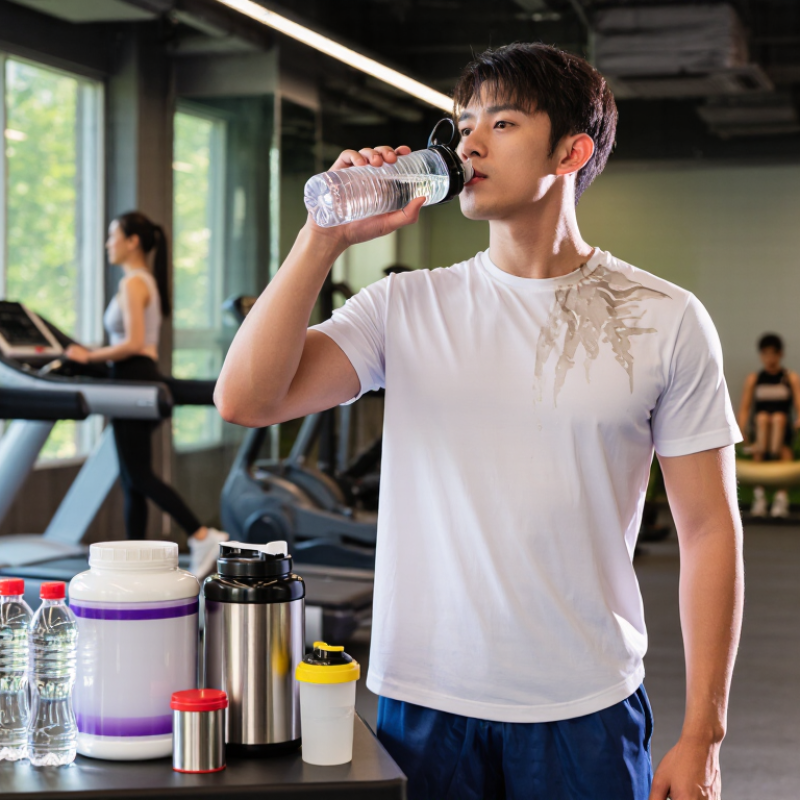
Why is hydration important during workouts? Water helps regulate body temperature, supports circulation, and replaces fluid lost through sweat. In a humid Shanghai gym, a soaked shirt and a dry mouth can make fluid loss feel immediate. But hydration needs vary. Workout length, heat, sweat rate, and individual health all matter. More water is not automatically better.

Exercise physiologist and hydration researcher Dr. Tamara Hew-Butler is known for the simple guidance, “Drink to thirst.” That advice is useful, but it is not a complete plan for every situation. Long sessions, heavy sweating, or hot outdoor training may call for closer attention to fluids and electrolytes. People with medical conditions should seek personalized advice. Small details matter.

This guide introduces ten hydration products available in China, from everyday bottled water to electrolyte drinks and powders. It considers practical factors: ingredient labels, sodium and sugar content, serving size, portability, and price. A bottle that fits in a gym bag may be more useful than an impressive label. The best choice depends on the workout and the person using it. Rankings can simplify comparisons, but they cannot capture every athlete’s needs. That limitation deserves a clear look.
China Top 10 Hydration Products Why Is Hydration Important?

Why Hydration Is Essential for Health

Why Hydration Is Essential for Health

Water supports temperature control, circulation, digestion, and the transport of nutrients. Daily fluid needs shift with activity, heat, illness, and individual health. During a warm walk, even mild fluid loss can make a familiar route feel harder. Small signs matter. Thirst and darker urine can prompt a person to drink, though neither is a perfect measure for everyone. The National Academies’ 2005 Dietary Reference Intakes report gives adequate total-water intakes of about 3.7 liters daily for men and 2.7 liters for women. These figures include water from food and all beverages; they are population reference values, not personal prescriptions. Needs differ. I still catch myself treating a busy day as a reason to ignore thirst.

Regular access to water helps people replace ordinary fluid losses throughout the day. A glass with meals and a bottle during outdoor activity are simple, practical habits. There is no universal requirement to force a fixed amount, and drinking beyond thirst is not automatically healthier. People with certain kidney or heart conditions may have specific fluid limits, so personal medical advice matters. Hydration is important, but it works alongside adequate food, rest, and attention to changing conditions.

How the Body Regulates Fluid Balance

The body keeps fluid levels within a narrow range, even as water intake and losses change. The kidneys adjust how much water leaves in urine. When the body needs to conserve fluid, hormones such as antidiuretic hormone signal the kidneys to retain more. Thirst also encourages drinking. It is a useful signal, though it may arrive late during heat, exercise, or illness.

Sweat carries away water and electrolytes, especially sodium. After a long, hot walk, a damp shirt and dry mouth can make those losses easier to notice. For ordinary daily activity, meals and drinks usually replace routine losses. During prolonged exercise or heavy sweating, drinks containing electrolytes may be useful. Needs vary, so one product or schedule does not fit everyone. More is not always better.

Urine color can offer a rough clue: pale yellow often suggests adequate intake, while persistently dark urine may signal a need to drink. But vitamins, medicines, and some foods can change its color. This measure is imperfect. People with kidney, heart, or other medical conditions may need individualized fluid guidance, since both too little and too much fluid can be harmful. Temperature, activity, and health all shift the body’s balance.

Main Types of Hydration Products in China

China’s hydration market includes several practical product types for different daily needs. Purified bottled water is widely used at offices, schools, and outdoor events. Mineral water provides naturally occurring minerals, although mineral content varies by source. Natural drinking water offers another lightly processed option. Electrolyte drinks combine fluids with sodium and other minerals. They may suit hot commutes or extended physical activity. Simple, but effective.

Sports drinks usually contain carbohydrates and electrolytes for longer exercise sessions. Oral rehydration solutions are designed for specific fluid losses and should follow medical guidance. Hydration powders dissolve in water and are convenient for travel. Electrolyte tablets provide a compact alternative, but users must measure the water carefully. Coconut water is also available, with natural sugars and potassium. These ten categories overlap, and product labels are not always easy to compare.

Low-sugar tea beverages can support fluid intake, but caffeine and added sweeteners deserve attention. A reliable choice depends on sweat loss, activity, age, and health status. Check the seal, nutrition panel, sodium level, and serving size. “Electrolyte” does not automatically mean healthier. Some products contain more sugar than expected. The category is still imperfect, and marketing language can confuse buyers.

For ordinary desk work, plain water often meets the need. During heavy sweating, a balanced electrolyte product may be more suitable.

China’s Top 10 Hydration Products

China’s Top 10 Hydration Products

China’s hydration market offers more than plain drinking water. A practical top-ten list includes bottled drinking water, mineral water, purified water, electrolyte drinks, sports drinks, oral rehydration solutions, coconut water, hydration powders, electrolyte tablets, and unsweetened teas. These products suit different situations, from office work to outdoor travel.

Plain water remains the safest daily choice for most healthy adults. Mineral water may provide small amounts of calcium and magnesium, but mineral content varies by source. Electrolyte drinks can help after heavy sweating, especially during summer commuting or exercise. Check the sugar and sodium labels carefully. Some “healthy” drinks are surprisingly sweet. Oral rehydration solutions have a specific medical purpose and should follow package directions. They are not casual fitness beverages.

Coconut water offers a mild taste and some natural electrolytes. Powdered mixes and tablets are convenient in a backpack, but accurate mixing matters. Unsweetened barley tea and other caffeine-free teas also support fluid intake in many Chinese households. I have found chilled tea easier to drink during long workdays, although personal preference changes everything. Product rankings should not replace individual needs. People with kidney, heart, or blood-pressure conditions should seek professional advice before using high-electrolyte products. Hydration is important because fluids support temperature control, circulation, digestion, and concentration. Still, drinking more is not always better. Even this simple point is often missed.

How to Choose a Suitable Hydration Product

Choosing a suitable hydration product starts with your actual situation, not attractive packaging. During a short office day, plain water may be enough. After two hours of hiking in humid weather, fluids containing electrolytes can be more practical. Consider your sweat level, activity time, temperature, and access to clean water.

Read the nutrition panel carefully. Sodium may support fluid replacement after heavy sweating, while excessive sugar can add unnecessary calories. Powders and tablets are convenient, but check serving instructions and dissolving requirements. Some products contain caffeine, artificial sweeteners, or ingredients that may not suit children, pregnant users, or people with kidney and heart conditions. When unsure, ask a qualified healthcare professional.

I once chose a drink mainly because it tasted refreshing. That was not a smart method. Taste affects how much you drink, but it does not prove the formula is suitable. Look for clear ingredient amounts, sealed packaging, batch information, and quality testing from a reliable manufacturer. Avoid products making dramatic promises about detoxification or instant recovery. Small details matter. Keep single-use sachets dry, use the correct water volume, and discard mixed drinks left warm for too long. My own choice still changes with the day, because no hydration product fits every body or every climate.

China Top 10 Hydration Products: Why Is Hydration Important? — How to Choose a Suitable Hydration Product
Why hydration matters: The body loses water through urine, breathing, bowel movements, and sweating. Replacing fluids supports normal body functions, while fluid needs vary with activity, climate, health, and individual circumstances. For everyday needs, water and water-rich foods are suitable choices for many people.
Product Type Typical Contents or Features Hydration Strengths Suitable Situations How to Choose
1. Plain Drinking Water Water without added sugar, flavor, or electrolytes. A practical option for meeting routine fluid needs without adding sugar or calories. Daily drinking, meals, commuting, and most ordinary activities. Choose water that meets applicable quality standards and is convenient to drink. Follow local guidance on tap-water use.
2. Natural Mineral Water Water from a protected underground source with naturally occurring minerals; mineral content varies by source. Provides fluid and may contribute small amounts of minerals, depending on its composition. Everyday drinking for people who enjoy its taste or mineral profile. Read the mineral analysis on the label. Mineral water is not automatically more hydrating than other safe drinking water.
3. Purified Bottled Water Water treated to remove impurities; mineral content depends on whether minerals are added back. Provides fluid and generally has a neutral taste. Everyday hydration when a sealed, portable option is useful. Check the product type, source information, and packaging integrity. Choose according to taste and availability.
4. Unsweetened Sparkling Water Carbonated water, sometimes with natural flavor; formulations differ. Provides fluid and can be an alternative for people who prefer a fizzy drink. Meals and everyday drinking for those who tolerate carbonation. Check that it has no added sugar if that is a priority. Carbonation may feel uncomfortable for some people.
5. Low- or No-Sugar Electrolyte Drink Water with added electrolytes such as sodium or potassium; amounts and sweeteners vary. Supplies fluid and selected electrolytes; the actual amount depends on the label. Situations involving substantial sweating, when a beverage with electrolytes is desired. Compare electrolyte amounts, sugars, and serving size. It is not necessary for everyone during routine daily activity.
6. Sports Drink Usually contains water, electrolytes, and carbohydrate; recipes vary by product. Can provide fluid, sodium, and carbohydrate during prolonged or strenuous exercise. Long-duration or vigorous exercise, particularly when sweating heavily. Check sugar and sodium content. For short or light activity, plain water is often sufficient for many people.
7. Oral Rehydration Solution (ORS) A specific balance of glucose and electrolytes formulated for oral rehydration; sachet directions are product-specific. Designed to support fluid and electrolyte replacement in appropriate circumstances. Diarrhea-related fluid loss or other situations where a healthcare professional recommends ORS. Use a regulated product and mix it with exactly the volume of safe water stated on the package. Seek medical advice for severe symptoms, infants, or ongoing dehydration.
8. Electrolyte Powder Sachets Powder containing varying combinations of electrolytes, flavorings, and sometimes sugar; some are formulated as ORS and others are not. Portable and easy to prepare when a specific electrolyte beverage is useful. Travel, exercise, or other situations suited to the product’s stated purpose. Check whether it is an ORS or a general electrolyte drink, and follow the exact dilution instructions. Do not assume the two are interchangeable.
9. Dissolvable Electrolyte Tablets Tablets that dissolve in water and may contain sodium, potassium, flavoring, or sweeteners. Convenient to carry and allow the drink to be prepared with water as directed. Travel or exercise when a portable, flavored electrolyte option is preferred. Review electrolyte and sweetener content, serving size, and directions. Do not swallow a dissolvable tablet unless its label specifically permits it.
10. Unsweetened Coconut Water Liquid from coconuts; naturally contains potassium and may contain some naturally occurring sugar. Composition varies. Provides fluid and some electrolytes, especially potassium, but is not a complete substitute for every electrolyte product. Everyday enjoyment or light activity for people who like its taste. Choose an unsweetened option if limiting added sugar. Check the label, as coconut water may not provide the sodium level needed for heavy sweat losses.
General selection tip: Match the product to the situation: choose water for routine hydration, consider an appropriate electrolyte beverage for substantial sweat losses, and use ORS only as directed for its intended purpose. Check ingredient lists, serving sizes, sugar and sodium content, product directions, and any relevant health advice. People with medical conditions or prescribed fluid restrictions should consult a healthcare professional about suitable choices.

FAQS

How does the body maintain fluid balance?

The kidneys adjust how much water leaves in urine. Hormones can help the body retain fluid, while thirst encourages drinking. Thirst may arrive late during heat, exercise, or illness.

What can heavy sweating do to fluid levels?

Sweat carries away water and electrolytes, especially sodium. After a hot walk, a damp shirt and dry mouth may signal fluid loss. Meals and drinks usually replace routine daily losses.

Does urine color reliably show hydration?

Pale yellow urine can suggest adequate intake, while persistently dark urine may signal a need to drink. But vitamins, medicines, and some foods can change its color. It’s only a rough clue.

Which drinks suit ordinary daily activity?

Plain water works for most healthy adults. Unsweetened tea can also support fluid intake. A cold cup may help on a long workday, though preferences differ.

When might electrolyte drinks be useful?

They may help during prolonged exercise or heavy sweating, such as a long summer commute. Check the sodium and sugar on the label. Some “healthy” drinks are surprisingly sweet.

How do sports drinks differ from electrolyte drinks?

Sports drinks commonly contain carbohydrates and electrolytes for longer exercise sessions. Electrolyte drinks focus on replacing fluids and minerals. Labels vary, so the distinction is not always clear.

Are hydration powders and tablets easy to use?

They are compact options for travel or a backpack. Measure the water carefully and follow the package directions. Small error, real difference.

Is coconut water suitable for everyone?

Coconut water has natural sugars and potassium. Its contents may not match everyone’s needs, especially for people with certain health conditions. More is not always better.

When should someone seek personalized fluid advice?

People with kidney, heart, or other medical conditions may need individual guidance. Both too little and too much fluid can be harmful. Ask a health professional before using high-electrolyte products.

What should buyers check on hydration product labels?

Check the seal, nutrition panel, sodium level, and serving size. The word “electrolyte” does not automatically mean a drink is healthier. Labels can be confusing.

Conclusion

Hydration is essential for maintaining energy, circulation, temperature control, digestion, and normal muscle and brain function. The body continuously balances fluids through thirst, kidney activity, hormones, and the movement of water and electrolytes between tissues. This balance becomes especially important during exercise, when sweating causes the loss of water and minerals. Understanding why is hydration important during workouts can help people support endurance, reduce the risk of overheating, and improve recovery.

In China, hydration products commonly include bottled water, electrolyte drinks, oral rehydration beverages, sports drinks, functional waters, powdered drink mixes, coconut-based beverages, low-sugar drinks, and hydration tablets. When choosing a suitable product, consumers should consider exercise intensity, climate, sweating rate, ingredient quality, sugar and sodium levels, serving size, and personal dietary needs. Water may be sufficient for everyday activities, while products containing electrolytes can be more useful during prolonged or intense exercise. A balanced choice should provide practical hydration without unnecessary additives or excessive calories.

Madeline

Madeline

Madeline is a dedicated marketing professional with a wealth of expertise in our company's core offerings. With a keen understanding of the industry, she brings a unique perspective to her role, consistently delivering high-quality content that highlights the superior aspects of our products. As......