Physical fitness is often heralded for its role in shaping our bodies. However, its profound impact on mental health is equally significant. Many people find themselves asking, "Why does fitness help improve mental health?" This question leads us to explore the intricate connection between physical activity and psychological well-being. Engaging in regular exercise triggers the release of endorphins. These natural chemicals enhance mood and reduce feelings of stress.
Moreover, fitness encourages routines that instill discipline and a sense of achievement. A simple morning jog can become a meditative practice. Over time, individuals may experience improved self-esteem and reduced anxiety. As personal experiences show, not all workouts lead to instant joy. Some days can be challenging, leading to frustration. Yet, overcoming these hurdles often results in greater resilience.
The journey towards understanding mental health benefits through fitness is complex. As we delve deeper, we will uncover ten compelling reasons showcasing this transformation. By addressing both the benefits and the realities of fitness, we can appreciate its role in enhancing mental health effectively.
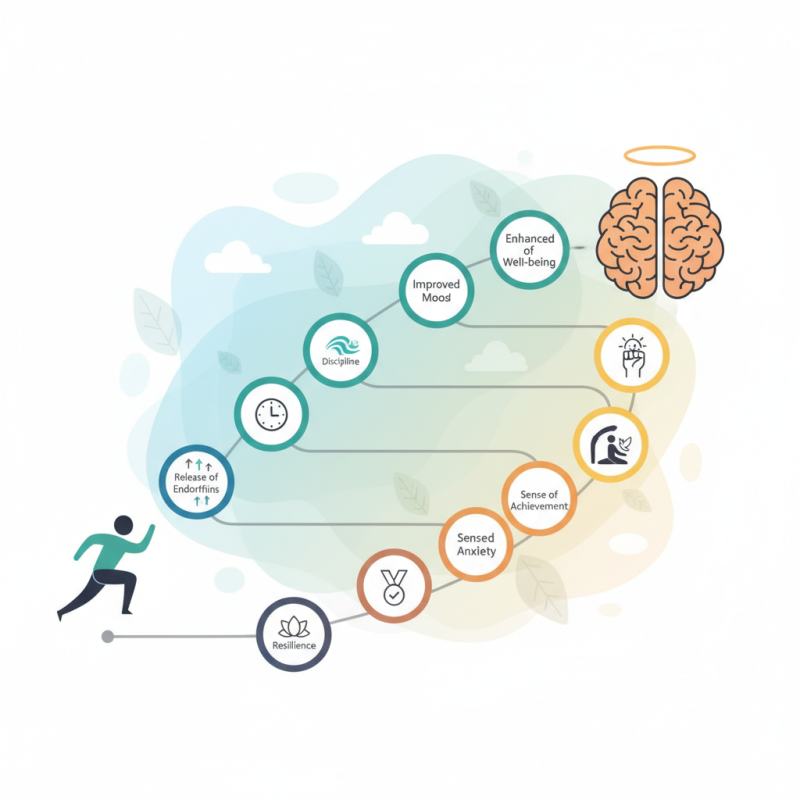
The Connection Between Physical Fitness and Mental Well-Being
Physical fitness is more than just a way to maintain a healthy body; it serves as a crucial factor in
enhancing mental well-being. Engaging in regular physical activity can release
endorphins, which are chemicals in the brain that improve mood. People often report
feeling happier after their workouts, even when they face challenges or stress in their lives.
This boost in happiness is rooted in the connection between movement and emotional release.
Tips for incorporating fitness into your routine can make a significant difference. Start with
small steps.
Try taking a short walk during lunch breaks. Even five to ten minutes of activity can clear
your mind and reduce stress. It's easy to dismiss these moments, but they build up over time,
contributing to a healthier mindset.
Another effective way is to find an enjoyable activity.
Dancing, hiking, or even playing a sport can provide joy and laughter, reducing anxiety. Don't feel pressured
to join a gym or follow strict plans. Listen to your body. Adjust your fitness
goals so they feel authentic and achievable. Reflect on what works for you, rather than striving for perfection.
Embrace the journey to find what truly benefits your mental health.
How Exercise Reduces Symptoms of Anxiety and Depression
Exercise plays a crucial role in reducing anxiety and depression. Engaging in physical activities triggers the release of endorphins, often called “feel-good hormones.” These hormones can uplift your mood and create a sense of euphoria. Additionally, regular exercise enhances sleep quality, which is vital for mental well-being. It also helps you build routine, providing structure to your day, making it easier to manage stress.
Incorporating simple activities like walking or jogging can have immediate effects. You don’t need to be a pro athlete. Start small and find joy in movement. Aim for at least 30 minutes a day, even if it's broken into shorter sessions. Try to exercise outdoors if possible. Fresh air and natural light can enhance the benefits.
As you embark on your fitness journey, be patient with yourself. It's normal to feel overwhelmed at times. Some days will be easier than others. Listen to your body and adjust your routine as needed. Celebrate small victories. Every step counts toward improving your mental health.
The Role of Endorphins in Enhancing Mood Through Physical Activity
Engaging in physical activity releases endorphins, known as the “feel-good” hormones. These chemicals can create feelings of happiness and euphoria. When you exercise, your body naturally produces endorphins. This reaction can significantly boost your mood, even after just a short workout. The rush of energy often leads to a sense of accomplishment, contributing to overall mental wellness.
Beyond the immediate effects, regular exercise builds resilience. It can help manage stress, anxiety, and even depression. Everyday challenges might seem less daunting after a good workout. However, the connection between exercise and mental health is not always straightforward. Some may struggle to find motivation or may feel overwhelmed by the idea of starting. It's essential to listen to your body and start slowly. Every bit of movement counts, and understanding your limits encourages a healthier relationship with exercise.
Physical activity is more than a physical endeavor; it’s a mental journey too. The path to better mental health is unique for everyone. Embracing this journey allows individuals to discover what works best for them. Sometimes, the most profound insights arise from the moments of challenge and reflection. Each step taken, no matter how small, contributes to a greater sense of well-being.
The Impact of Regular Workouts on Stress Management and Resilience
Regular workouts significantly influence stress management and build resilience. According to the Anxiety and Depression Association of America, exercise can reduce anxiety by 20-30%. The physical act of moving helps to release endorphins, often known as “feel-good” hormones. When individuals engage in routine physical activities, they tend to experience a boost in mood, which is critical in managing daily life stressors.
A study published in the Journal of Clinical Psychology highlighted that 57% of participants felt a notable decrease in stress levels after just one month of consistent exercise. This aligns with the findings from a meta-analysis in the Health Psychology Review, indicating that regular physical activity correlates with a 40% improvement in mood disorders. Simple activities like walking or jogging can lead to substantial mental benefits. Yet, many struggle to maintain consistency in their fitness routines.
Building resilience through fitness takes time. Individuals sometimes drop their exercise plans due to life’s demands. It’s essential to remember that even minor progress counts. Engaging in physical activities can help develop coping mechanisms for stress, but the journey requires patience. Despite setbacks, the commitment to regular exercise can transform how one manages stress and builds mental strength over time.
10 Reasons Why Fitness Boosts Mental Health Benefits
The chart above illustrates the mental health benefits associated with regular fitness activities. Each bar represents the impact level on a scale from 1 to 10, highlighting how fitness can contribute to reduced anxiety, improved mood, and enhanced resilience, among other advantages.
Social Benefits of Fitness: Building Connections and Reducing Isolation
Engaging in regular fitness activities can significantly reduce feelings of isolation. Many individuals find a sense of belonging in group workouts or classes. These environments foster social connections. You might meet people with similar interests and goals. This camaraderie helps build friendships.
Building connections through fitness is vital. Consider joining local clubs or participating in community events. Trying out different activities, like yoga or running groups, can lead to unexpected friendships. You might discover that social support enhances your motivation to stay active.
Tips: Focus on shared interests rather than competition. This creates a more welcoming atmosphere. Also, don’t hesitate to introduce yourself to someone new. It takes courage, but it can lead to great interactions. Remember, forming connections takes time and effort. Reflect on your experiences and stay open to new possibilities.
FAQS
: Physical fitness enhances mental well-being by releasing endorphins, which improve mood and reduce stress.
Start with short walks or quick activities during breaks. Even five minutes can help reduce stress.
Enjoyable activities like dancing or hiking bring joy and laughter, helping to reduce anxiety and enhance mental health.
Exercise triggers endorphin release, boosts mood, and improves sleep quality, which are all vital for mental health.
Be patient. Some days will be harder. Adjust your routine to fit your needs and celebrate small victories.
Yes, regular workouts can lower anxiety significantly and improve mood. Consistency is key for effective stress management.
It's normal to face challenges. Focus on minor progress and remember that every little bit counts in your journey.
Aim for at least 30 minutes daily. Break it into shorter sessions if necessary, and try to exercise outdoors when possible.
Life's demands can disrupt routines. Reflect on setbacks and adjust your goals to maintain commitment to fitness.
Listen to your body and reflect on what feels good. Avoid perfection and focus on what truly benefits your mental health.
Conclusion
The article "10 Reasons Why Fitness Boosts Mental Health Benefits" explores the intrinsic link between physical fitness and mental well-being. It highlights how regular exercise can significantly reduce symptoms of anxiety and depression, making it an effective tool for boosting one’s mood. One key aspect discussed is the role of endorphins—often referred to as the body's natural mood elevators—released during physical activity, which contribute to an enhanced sense of happiness and well-being.
Additionally, the article emphasizes the importance of regular workouts in managing stress and building resilience, enabling individuals to better cope with life’s challenges. Social engagement through fitness activities is also addressed, showcasing how exercising in groups can help combat feelings of isolation while fostering connections with others. Overall, the article answers the question, "Why does fitness help improve mental health?" by illustrating the multifaceted benefits that physical activity can provide for mental health and social interactions.

 Parnal Fitness