Many people wonder, "How to get fit without going to the gym?" Renowned fitness expert Sarah Johnson once said, "Home workouts can be both effective and enjoyable." This statement highlights a growing movement where individuals are breaking free from traditional gym setups.
Exercising at home offers flexibility and convenience. You can choose your time and space without the pressure of a crowded gym. Minor adjustments to your daily routine can yield significant results. Simple activities like bodyweight exercises and yoga can enhance strength and flexibility.
However, it requires discipline and self-motivation. You might encounter distractions at home. It can be challenging to stay committed to a routine without external accountability. Finding strategies to keep your workouts engaging becomes essential. Experimenting with new exercises and tracking your progress can help maintain your motivation.
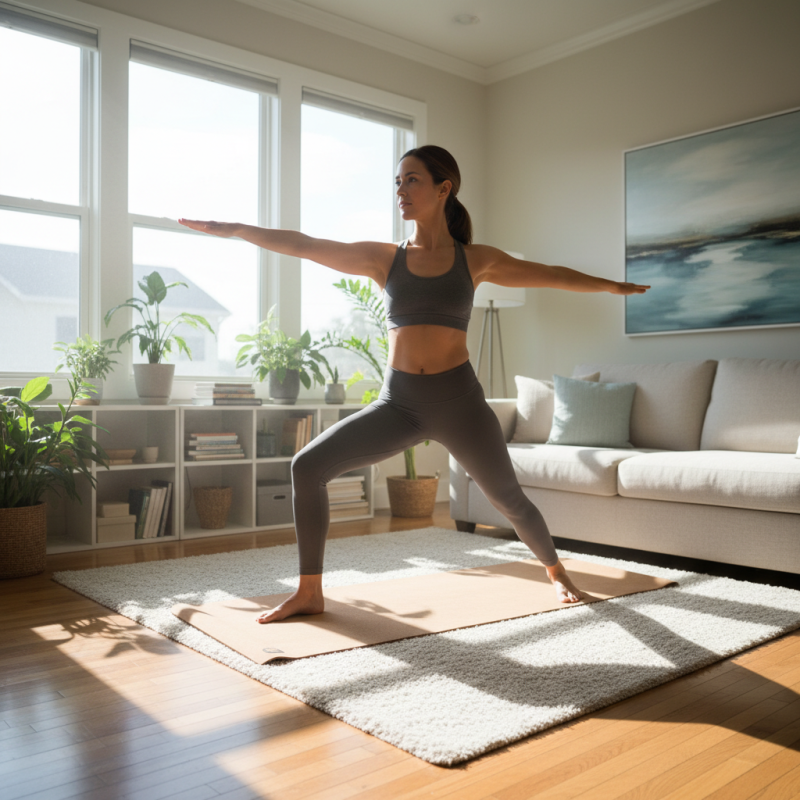
Staying fit at home can be challenging, but bodyweight exercises offer a practical solution. You don’t need fancy equipment. Simple movements can strengthen your body effectively. Push-ups, squats, and planks are great starting points. They engage multiple muscle groups and can be modified to suit your level.
You might find consistency difficult to maintain. Setting a schedule can help. Aim for short, intense workouts. Twenty minutes is enough. Try to push your limits when you can. It’s okay if you struggle initially. Every attempt counts. Listen to your body and take breaks when necessary.
Don’t forget to mix up your routine. Adding variety keeps things interesting. Try lunges or burpees on alternate days. Keep a journal of your progress. This will motivate you and highlight areas for improvement. Remember, reflecting on your journey is part of the process. Celebrate small victories along the way.
Creating a personalized fitness routine at home is essential for staying fit. According to a report by the American Heart Association, 80% of adults do not meet recommended exercise levels. Crafting a routine tailored to your needs can change that.
Start by assessing your fitness level. Identify what types of activities you enjoy. Do you prefer cardio or strength training? Combine both for a balanced approach. If you have limited space, body-weight exercises like push-ups and squats are effective. A study published in the Journal of Sports Medicine confirms these can improve muscle strength significantly.
Consistency is key. Set aside specific times for your workouts. The CDC notes people are more likely to stick to exercise if they have a plan. It’s vital to track your progress, even if it feels slow at times. Reflecting on your journey helps you see growth, even on tough days. Embrace the imperfections; not every session will be perfect, and that’s okay.
This chart illustrates the number of days per week individuals can engage in various home fitness activities, helping you to create a balanced and personalized fitness routine at home.
Staying fit at home can be achieved without a gym membership. You can incorporate everyday activities into your routine. Simple tasks often provide an excellent workout. For example, walking briskly while doing chores can elevate your heart rate. Cleaning the house vigorously counts as movement, too.
Try using household items as workout tools. Fill a backpack with books for added weight during a walk. Stairs are great for a quick workout; climbing them repeatedly strengthens your legs. Even gardening can be a full-body exercise that promotes flexibility and strength.
It's essential to find joy in these activities. If cleaning feels like a chore, turn it into a game. Set a timer and race against it. While these methods may not replace traditional workouts, they contribute significantly to your fitness journey. Reflect on what activities you enjoy most. This reflection can help you stay motivated and committed to your fitness goals.
In today's digital age, getting fit at home has never been easier. Online resources and apps offer a wide range of workouts for all fitness levels. The best part? You can tailor your routine to fit your schedule. From yoga to high-intensity interval training, the options are endless. Many platforms provide video demonstrations. This visual guide enhances understanding and helps you perform exercises correctly.
However, with so many choices, it can be overwhelming to choose the right program. Some workouts might look simple but may not provide the necessary challenge. Take time to explore different styles. Don’t hesitate to switch things up if something doesn’t resonate with you. Community forums can be valuable for finding advice. Engaging with others can also keep you motivated.
Apps often include tracking features to monitor your progress. Celebrate small victories, even if they seem insignificant. However, a constant comparison to others can be damaging. Everyone’s journey is unique. Reflect on your personal goals. It’s essential to find balance and listen to your body. Embrace the process, including the setbacks. Every effort contributes to your fitness journey.
Eating well at home can greatly enhance your fitness journey. It's not just about calories; it’s about nutrients. Focus on whole foods like vegetables, fruits, lean proteins, and whole grains. These foods provide essential vitamins and minerals. A colored plate is often a healthy plate. Try to fill half your plate with veggies to maximize nutrient intake.
Planning meals is crucial. Without a plan, it’s easy to grab unhealthy snacks. Setting aside time each week to prep meals can be eye-opening. It helps reduce impulse eating. You might find that cooking is fun, not a chore. If you accidentally eat something unhealthy, reflect on it positively. Consider it a lesson on balance, not a failure.
Hydration plays a significant role, too. Drinking plenty of water can boost your metabolism and control hunger. Sometimes, our bodies misinterpret thirst as hunger. Adding flavor with lemon or herbs can make water more enjoyable. Remember, perfection isn't the goal. It’s about progress and building habits that work for you.
: You can do bodyweight exercises like push-ups, squats, and planks. They are effective and require no equipment.
Aim for 20-minute sessions. Short and intense workouts can be effective and manageable.
Create a schedule for your workouts and set specific times to help you stick to your plan.
Variety keeps your workouts interesting and prevents boredom. Try different exercises like lunges or burpees.
Keep a journal of your workouts. Record details to see improvements and areas needing attention.
It's okay to struggle. Listen to your body, take breaks, and remember that every attempt counts.
Yes, tasks like brisk walking or cleaning can elevate your heart rate and promote fitness.
Use items like backpacks filled with books for added weight during walks, or use stairs for leg strength.
No, not every session will be ideal. Embrace imperfections and focus on growth throughout your journey.
Find joy in activities. Turn chores into games or challenges to make them more fun and motivating.
If you're looking to understand "how to get fit without going to the gym," there are several effective strategies you can implement at home. Start by incorporating bodyweight exercises like push-ups, squats, and lunges into your routine, enabling you to build strength without any equipment. Additionally, create a personalized fitness plan that suits your lifestyle, ensuring that your workouts are both enjoyable and sustainable.
To enhance your fitness journey, integrate everyday activities such as walking or taking the stairs, turning daily tasks into opportunities for movement. Utilize online resources and fitness apps to find new workout ideas and track your progress. Lastly, developing healthy eating habits that support your fitness goals is crucial; focus on balanced meals and stay hydrated. By following these steps, you can effectively get fit from the comfort of your home.

Parnal Fitness