Hydration plays a crucial role in enhancing workout performance. According to Dr. Mike Tipton, an expert in exercise physiology, "Hydration is vital for maintaining physical performance." This statement underscores the importance of keeping the body well-hydrated, especially during intense exercise.
During workouts, our bodies lose fluids through sweat. This can lead to dehydration, impacting strength and endurance. When asking "Why is hydration important during workouts," the answer becomes clear. Dehydration can lead to fatigue, muscle cramps, and decreased coordination.
Some athletes overlook their hydration needs. They may feel fine at first but later struggle with fatigue or dizziness. This highlights a common misconception: feeling thirsty is not the only indicator of needing water. Paying attention to hydration before, during, and after workouts can significantly improve performance.
The Role of Water in Regulating Body Temperature During Exercise
Staying hydrated is crucial, especially during exercise. Water plays a vital role in regulating body temperature. When we work out, our body generates heat. Without adequate hydration, our body struggles to cool down, leading to overheating.
As we sweat, we lose water and essential electrolytes. This loss can affect performance. Dehydration decreases endurance and strength. Research shows that even a slight drop in hydration can impair physical capabilities. Athletes often underestimate the need for water before, during, and after their workouts.
Maintaining hydration is not just about drinking water. It’s about understanding your body's needs. Every individual has different hydration requirements based on their activity level and environment. Some people may find their performance affected at lower hydration levels. Ignoring these signs can lead to fatigue or cramps. Listen to your body; it may be telling you to drink up.
How Dehydration Impairs Physical Performance and Cognitive Function
Dehydration is a silent enemy for athletes. Even a 2% drop in body weight due to fluid loss can impair performance. Studies show that dehydration can reduce endurance by up to 20%. It also affects cognitive function, making decision-making slower and less accurate. Athletes may struggle with focus and reaction times when dehydrated.
The body needs water to regulate temperature and maintain optimal muscle function. A 2017 report indicated that proper hydration improves strength and power output. In contrast, dehydration can lead to muscle cramps and fatigue. Many athletes underestimate their fluid needs during intense workouts. This oversight can significantly hinder performance.
One study revealed that hydration status influences mood and concentration. Athletes reported feeling less alert when dehydrated. The connection between hydration and mental clarity is crucial. Staying hydrated is not merely about drinking water; it’s about ensuring regular fluid intake. A consistent approach can make a noticeable difference in both physical and cognitive performance.
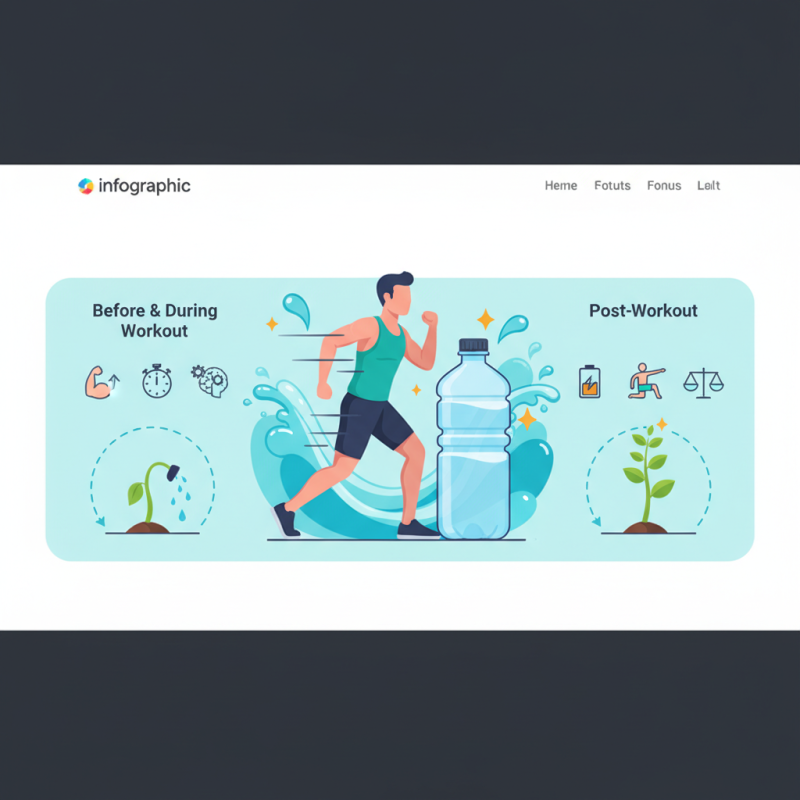
Hydration Guidelines: How Much Water to Drink Before, During, and After Workouts
Staying hydrated is essential for anyone engaged in physical activity. Research indicates that even a 2% loss in body weight due to dehydration can impair performance significantly. Specifically, it can lead to reduced endurance and increased fatigue. Athletes should drink at least 500 ml of water two hours before exercise. This prehydration phase helps to optimize blood volume and muscle function.
During workouts, hydration needs vary based on intensity and duration. The American Council on Exercise recommends drinking 7 to 10 ounces of water every 10 to 20 minutes during exercise. Consuming electrolytes can also help replenish lost salts. Many individuals underestimate their fluid needs during workouts. A simple strategy is to drink according to thirst, but one must be aware of the body’s signals.
Post-exercise hydration is often neglected. It's imperative to replace lost fluids after workouts. A good rule is to drink 16 to 24 ounces of water for every pound lost during exercise. This helps with recovery and can prevent future performance declines. Keep in mind that individual hydration needs may vary. Monitoring your urine color can offer insights—light yellow indicates proper hydration, while darker shades suggest a need for more fluids.
The Impact of Electrolytes on Hydration and Exercise Efficiency
Hydration plays a crucial role in optimizing workout performance. When we exercise, we lose water and electrolytes through sweat. Electrolytes, such as sodium, potassium, and magnesium, are essential for muscle function and fluid balance. A study from the Journal of Applied Physiology highlights that a 2% loss in body weight due to dehydration can negatively impact strength and endurance.
Maintaining proper electrolyte levels enhances hydration. These charged minerals help regulate fluid balance, which is vital during intense workouts. The American College of Sports Medicine recommends replacing fluids during exercise with electrolyte-infused drinks. Research indicates that athletes with sufficient electrolyte levels experience up to a 30% improvement in performance compared to those who are deficient.
However, the relationship between hydration and electrolyte balance is often misunderstood. Many individuals think plain water is sufficient. This may lead to imbalances, particularly in long-duration sports. Observational studies show that athletes often underestimate their electrolyte needs. Relying solely on water can leave them vulnerable to fatigue and cramping. Understanding this complexity is essential for anyone looking to enhance their performance through proper hydration strategies.
Impact of Hydration on Workout Performance
The chart above illustrates the impact of hydration levels on workout performance. Optimal hydration significantly boosts performance scores, while both dehydration and overhydration can hinder efficiency.
Scientific Evidence Linking Hydration to Enhanced Endurance and Strength Training
Hydration plays a critical role in maximizing workout performance, especially during endurance and strength training. Scientific studies reveal that proper hydration enhances muscle function and endurance. Dehydration can lead to fatigue and decreased physical performance, impairing both strength and recovery.
When athletes maintain optimal hydration levels, they experience improved cardiovascular function. Their bodies can regulate temperature effectively, reducing the risk of overheating. As a result, they can sustain higher intensities for longer durations. Yet, many still overlook the importance of hydration, often feeling too busy to drink enough water.
Here are some tips to ensure you stay hydrated for peak performance. Carry a water bottle with you and take sips throughout the day. Set reminders on your phone to drink water regularly. During workouts, aim to consume fluids every 15-20 minutes. If you notice signs of fatigue or dizziness, reevaluate your hydration strategy.
Monitor your urine color; a light yellow indicates good hydration. Don't wait until you feel thirsty—it’s a sign that you are already dehydrated. Remember, effective hydration isn't just about water intake, but also about electrolytes. Balancing these can significantly enhance your endurance and strength sessions.
Conclusion
Hydration is crucial for optimal workout performance, as it plays a vital role in regulating body temperature during exercise. Without adequate hydration, athletes may experience impaired physical performance and reduced cognitive function, leading to decreased efficiency in their training. To maintain peak performance, it is essential to adhere to hydration guidelines regarding the amount of water to consume before, during, and after workouts.
Additionally, the importance of electrolytes cannot be overlooked, as they significantly impact hydration levels and exercise efficiency. Scientific studies demonstrate a strong link between proper hydration and enhanced endurance as well as strength training outcomes. Thus, understanding “why is hydration important during workouts” is key for anyone looking to maximize their fitness potential and improve overall athletic performance.

 Parnal Fitness