Realistic Fitness Goals for Beginners to Achieve This Year?

Time:2026-05-25 Author:Ethan
0%

Setting fitness goals can be a daunting task for beginners. Many ask, "What fitness goals are realistic for beginners?" It's crucial to have a clear understanding of attainable targets. Unrealistic expectations can lead to disappointment and frustration. Instead, focusing on small, manageable milestones can create a more positive experience.

Start by defining specific goals. For instance, aim to exercise for 30 minutes, three times a week. This simple goal can promote consistency. Tracking your progress helps boost motivation. Reflecting on your journey is essential. You'll notice areas for improvement and growth.

Moreover, remember that everyone’s body responds differently to exercise. Results may come slowly. That's why embracing the journey is important. Building a routine takes time and effort. Each small step counts. Celebrate even the minor victories along the way. A realistic approach makes your fitness journey sustainable and enjoyable.
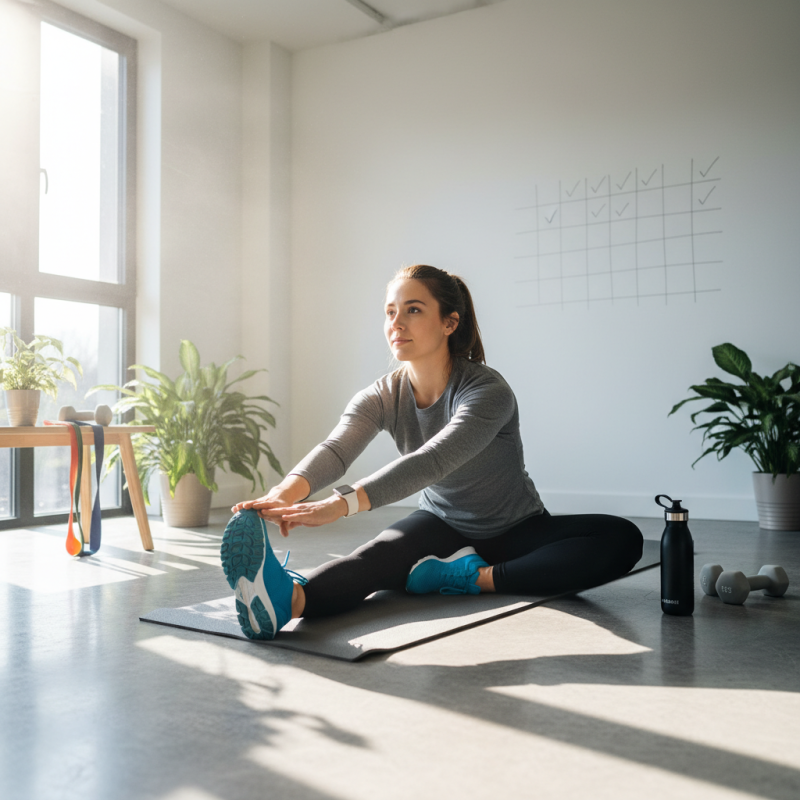
Realistic Fitness Goals for Beginners to Achieve This Year?

Identifying Your Current Fitness Level and Setting Realistic Goals

Identifying your current fitness level is crucial for setting achievable goals. Consider your lifestyle, exercise habits, and overall health. Are you active or sedentary? Do you struggle with certain activities? A clear assessment of these factors can guide your goal-setting. For example, if you currently walk 5,000 steps a day, aiming for 10,000 steps may feel overwhelming. Instead, gradually increase your daily steps by 500 each week.

Setting realistic goals helps maintain motivation. Focus on specific areas such as strength, flexibility, or endurance. If you lack agility, consider incorporating balance exercises. This will enhance not just your fitness but also your daily activities. It's also important to reflect on your progress. Have you felt discouraged? Adjust your goals to reflect realistic expectations. Small, consistent efforts yield great results over time. Embrace the journey and celebrate even minor achievements; they lay the foundation for long-term success.

Understanding Different Types of Fitness Goals: Short-Term vs Long-Term

Setting realistic fitness goals is crucial for beginners. It's important to distinguish between short-term and long-term goals. Short-term goals are often achievable within weeks or a few months. Examples include losing five pounds or running a mile without stopping. According to a survey by the International Health, Racquet & Sportsclub Association, 57% of new gym-goers drop out within six months. This highlights the need for attainable short-term goals.

Long-term goals, on the other hand, span over several months or years. They may include achieving a certain level of fitness or maintaining a healthy lifestyle. The American College of Sports Medicine recommends setting SMART goals—Specific, Measurable, Achievable, Relevant, and Time-bound. However, it’s easy to set overly ambitious goals without proper reflection. This can lead to frustration and burnout.

Many beginners underestimate their initial fitness levels. Overreaching can create setbacks and discouragement. Incorporating small, personal milestones can help. Reflecting on progress regularly keeps motivation high and adjusts goals as needed. Aim for realistic achievements, and remember that growth often comes in small, consistent steps.

Creating a Sustainable Workout Plan for Beginners to Follow

Creating a sustainable workout plan is crucial for beginners. Start by setting realistic expectations. It’s easy to get excited and aim too high. Consider what your body can handle. Aiming for three days a week is a good start.

Include a mix of cardio and strength training. This combination helps build endurance and muscle. For cardio, activities like walking, jogging, or cycling are ideal. Strength training can include bodyweight exercises like push-ups and squats. Keep sessions short but consistent; around 30 minutes is effective.

Track your progress. It helps maintain motivation and accountability. Reflect on what you enjoy and what challenges you. Adjust your plan as needed. Remember, it’s a journey, not a race. Celebrate small victories. Over time, these adjustments will lead to lasting habits and goals achieved.

Incorporating Nutrition and Healthy Eating Habits into Your Fitness Goals

When setting fitness goals, integrating nutrition is essential. A balanced diet fuels your body and supports your exercise routine. Focus on whole foods like fruits, vegetables, and lean proteins. Aim for variety. This keeps meals exciting and helps meet nutritional needs.

Tips: Meal prepping can save time. Prepare healthy snacks in advance. This reduces the temptation of unhealthy choices. Stay hydrated too. Water is vital for both energy and recovery.

Starting can be challenging. You might struggle with cravings or find it hard to stick to a meal plan. Reflect on your habits. Adjust when necessary. It’s okay to indulge occasionally. Remember, balance is key. Track your progress. Small changes lead to big results. Celebrate each improvement, no matter how small.

Tracking Progress and Making Adjustments to Stay Motivated

Tracking progress in fitness is crucial for beginners. According to a survey by the American College of Sports Medicine, about 60% of new exercisers fail to stick to their routines. This highlights the importance of monitoring your activities and making adjustments. Keeping a detailed workout log helps you identify what works and what needs change.

Set specific, measurable goals. For instance, aim for three workouts per week instead of vague plans. This change increases your chances of success. A 2022 report shows that individuals who track their workouts are 30% more likely to meet their fitness goals. Regularly review your log. If you notice a plateau, don't hesitate to adapt your routine.

Injuries can occur if you push too hard or don't listen to your body. Struggling with motivation is common, especially when results don’t meet expectations. Reflect on your initial goals and reassess them if necessary. Rediscover your drive by celebrating small wins. Each accomplishment builds confidence and keeps you engaged. Finding what works for you is part of the journey.

FAQS

: How do I assess my current fitness level?

: Consider your lifestyle, exercise habits, and overall health. Ask yourself if you are active or sedentary.

What if my fitness goals feel overwhelming?

Break them down. For example, increase daily steps by 500 instead of jumping to a higher target immediately.

Why is setting realistic goals important?

Realistic goals keep you motivated. They also allow you to track progress and adjust as needed.

What should I include in a beginner workout plan?

Aim for a mix of cardio and strength training. Activities like walking, jogging, or bodyweight exercises are effective.

How often should I work out as a beginner?

Starting with three days a week is ideal. This allows your body to adapt without becoming overwhelmed.

How can I improve my nutrition while working towards fitness goals?

Focus on whole foods like fruits and vegetables. Meal prepping healthy snacks can help you avoid unhealthy choices.

What challenges might I face when changing my diet?

You may struggle with cravings or sticking to a meal plan. Reflect on your habits and adjust them as necessary.

How can I maintain motivation during my fitness journey?

Track your progress regularly. Celebrate small victories to help build confidence and keep you engaged.

What if I don’t enjoy my workout plan?

Reflect on what you enjoy. It’s okay to change your routine if you find it unmotivating or difficult.

Should I feel guilty about occasional indulgences in my diet?

No, balance is key. Indulging occasionally is normal. Focus on making small, consistent improvements.

Conclusion

Setting realistic fitness goals is crucial for beginners aiming to improve their health and well-being. To begin, it’s essential to identify your current fitness level, which helps in setting achievable targets. Understanding the difference between short-term and long-term goals can provide a structured approach, allowing beginners to stay focused and motivated over time.

Creating a sustainable workout plan tailored to your lifestyle, along with incorporating healthy eating habits, is vital for success. Nutrition plays a significant role in supporting fitness ambitions. Additionally, tracking progress and making necessary adjustments ensures that you stay on course and remain motivated. Ultimately, asking yourself "what fitness goals are realistic for beginners" will serve as a guide to creating a balanced and attainable fitness journey this year.

Ethan

Ethan

Ethan is a seasoned marketing professional with a deep expertise in our company's innovative product line. With a passion for sharing knowledge and insights, he takes the lead in regularly updating our corporate blog, where he explores industry trends, product features, and effective marketing......