Starting a new exercise routine can feel daunting for beginners. It's essential to consider "What is the safest way to start exercising?" According to Dr. Emily Larson, a fitness and health expert, "Taking small steps helps prevent injuries and builds confidence in new exercisers." This advice rings true for many just beginning their fitness journey.
Beginners often have many questions. They wonder how to build a workout without overwhelming themselves. The key is to start slow, focusing on form and consistency rather than intensity. Incorporating activities like walking or light stretching helps ease into a routine. Most people need to reflect on their progress, ensuring they listen to their bodies.
Additionally, seeking guidance can offer reassurance. Whether it’s hiring a trainer or joining group classes, support plays a vital role. Embracing this phase means enjoying the journey. Remember, there’s no perfect model for everyone. Each person should find what suits them while prioritizing safety; it’s all part of learning what fits best.
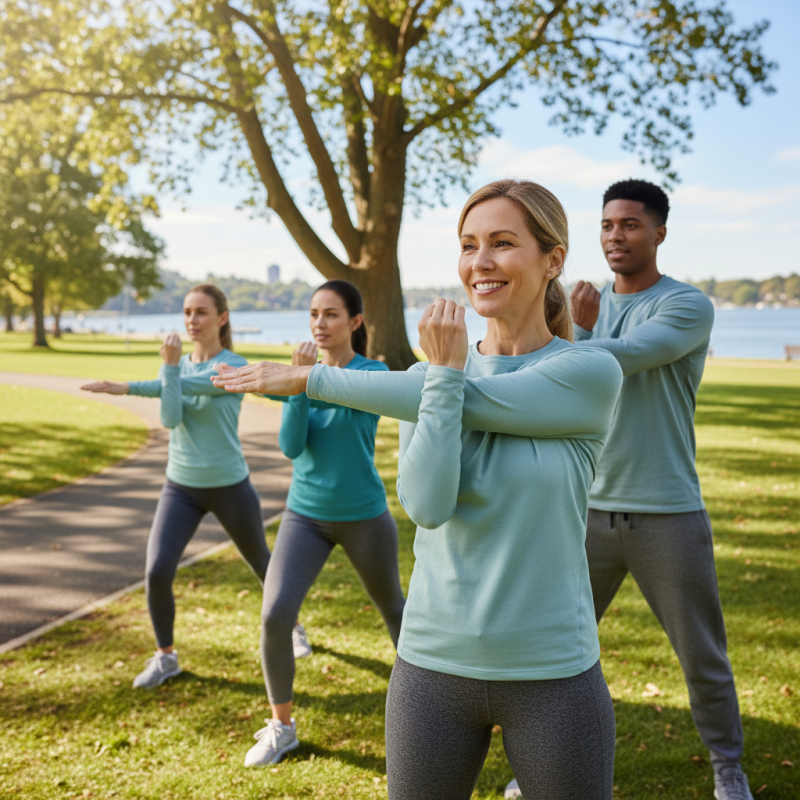
Starting an exercise routine can feel overwhelming. However, understanding its importance is a key step. Exercise not only strengthens your body but also boosts mental health. Regular physical activity releases endorphins, enhancing mood and reducing stress. Many beginners overlook this aspect, focusing solely on physical changes.
Engaging in exercise improves overall health. It reduces the risk of chronic diseases such as heart disease and diabetes. Beginners should aim for manageable goals, even if that means short walks or simple stretches. It’s common to struggle with consistency at first. Tracking progress in a journal can motivate improvement.
Another vital point is that exercise fosters community. Joining a local group or online class can enhance accountability. Many find it easier to stick with a routine when surrounded by others. However, it is natural to face challenges. Reflecting on those obstacles aids growth. Embrace the journey of becoming more active, understanding that it's okay to take small steps.
Before diving into any exercise routine, it's crucial to assess your current fitness level. This self-assessment serves as a benchmark. Start by asking yourself: how active have you been recently? Can you walk briskly for 10 minutes without stopping? These simple questions help gauge your starting point.
Consider keeping a fitness journal. Jot down your daily activities and how you feel after them. Did you struggle with stairs? Did you enjoy your walk? Reflecting on these experiences offers insight into areas for improvement. It’s normal to have some reluctance or fear about starting. Acknowledge those feelings; they are part of the process.
Don’t rush into intense workouts or set unrealistic goals. If you haven't exercised in a while, small steps are key. You might feel tempted to push harder right away, but slow progression helps prevent injury. Focus on consistency rather than perfection. Each small effort lays a foundation for longer-term success.
Choosing the right type of exercise is crucial for beginners. Not all exercises yield the same results. A study from the American College of Sports Medicine indicated that only 20% of individuals stick with an exercise routine for more than a few months. This highlights the importance of finding the right type of exercise that aligns with personal goals and preferences.
For weight loss, cardiovascular exercises are highly recommended. Activities like running or cycling can burn significant calories. The Centers for Disease Control and Prevention reports that, on average, a 155-pound person can burn about 500 calories in 30 minutes of running at a 10-minute mile pace. However, fear of injury or burnout may deter beginners. Consider starting with brisk walking or low-impact aerobics to build stamina without overwhelming the body.
Strength training is essential for muscle building and metabolism. The National Strength and Conditioning Association suggests incorporating resistance training at least two days a week. Simple bodyweight exercises, like squats and push-ups, are effective. Yet, many beginners underestimate the importance of proper form, leading to injuries. Attention to technique is critical. A gradual approach allows time for adaptation. Listen to your body. Reflect on how each workout feels and adjust accordingly.
| Exercise Type | Goal | Duration (minutes) | Frequency (per week) | Suitability for Beginners |
|---|---|---|---|---|
| Walking | Weight Loss | 30 | 5 | Yes |
| Cycling | Cardiovascular Health | 20 | 3 | Yes |
| Bodyweight Exercises | Strength Building | 25 | 4 | Yes |
| Yoga | Flexibility & Relaxation | 30 | 2 | Yes |
| Swimming | Full Body Workout | 30 | 2 | Yes |
Creating a safe and effective workout plan is crucial for beginners. Start by assessing your current fitness level. Reflect on your past experiences and set realistic goals. Aiming too high can lead to frustration or injury. Instead, focus on small, manageable targets. This increases motivation and keeps you on track.
Incorporate a variety of exercises in your plan. Balance cardio, strength training, and flexibility workouts. This diversity not only keeps things interesting but also ensures a well-rounded fitness routine. Consider trying low-impact activities like walking or cycling to ease into exercising. Listen to your body. If something hurts, don’t push through the pain. Acknowledge your limits and adjust your plan as needed.
Finally, establish a routine that fits your lifestyle. Consistency is key to making lasting changes. Start with short sessions and gradually increase duration and intensity. Keep a journal of your workouts. This can help you track progress and adapt your approach. Stay patient and remember that fitness is a journey. It's okay to reassess and modify your goals as you go along.
Starting a new exercise routine can be exciting yet challenging. Beginners often overlook rest and recovery. These elements are just as important as the workouts themselves. Without proper rest, your muscles won't heal or grow stronger. This can lead to burnout or injuries. It's vital to find a balance in your routine.
Pay attention to your body's signals. If you feel fatigued or experience pain, take a break. Scheduled rest days can enhance your performance. Try to incorporate at least one or two rest days per week. This allows your body to recover. Simple activities like gentle stretching or yoga can be great on rest days.
**Tips:** Listen to your body. Adjust the intensity when needed. Focus on hydration and nutrition. They support recovery. Even a short nap can improve your energy levels and mood. Don't rush the process. Building strength takes time, and recovery is part of that journey.
: Exercise strengthens the body and boosts mental health by releasing endorphins. It enhances mood and reduces stress.
Beginners should aim for manageable goals like short walks or simple stretches. Small targets increase motivation and success.
Assess your fitness level and set realistic goals. Avoid aiming too high to prevent frustration or injury.
Incorporate a variety of exercises, including cardio, strength training, and flexibility workouts. This keeps the routine interesting.
Rest and recovery are crucial. Without them, muscles can’t heal, leading to burnout or injuries. Schedule at least one or two rest days.
Pay attention to fatigue or pain. If you feel these, it’s time to rest and allow your body to recover properly.
Keeping a workout journal helps track success and adapt the approach. It can motivate improvement and show how far you’ve come.
Listen to your body. If something hurts, don't push through the pain. Acknowledge your limits and adjust your plan accordingly.
Yes, joining a group can enhance accountability. Many find it easier to stick with routines when surrounded by others.
Focus on hydration and proper nutrition. They support recovery and overall performance in workouts. Don't neglect these elements.
Starting an exercise routine can be daunting for beginners, but understanding its importance is crucial for long-term health and wellness. Before diving into any physical activity, it's essential to assess your current fitness level, which helps set realistic goals and expectations. Choosing the right type of exercise tailored to your interests and objectives will significantly enhance your motivation and commitment.
What is the safest way to start exercising? It involves creating a thoughtful workout plan that incorporates a variety of exercises while allowing ample time for rest and recovery. By prioritizing safety and being mindful of your body's signals, you can develop a sustainable fitness routine that promotes overall well-being.

Parnal Fitness