Build a Simple Home Workout Routine that Works?

Time:2026-07-06 Author:Isabella
0%

Creating a workout routine at home can seem daunting. However, it doesn't have to be complicated. Understanding how to build a simple home workout routine is crucial for anyone looking to stay fit without a gym.

Your fitness journey begins with identifying your goals. Do you want to lose weight, build muscle, or improve endurance? Each goal requires a different approach. This is where experience matters. Knowing what works for you is essential.

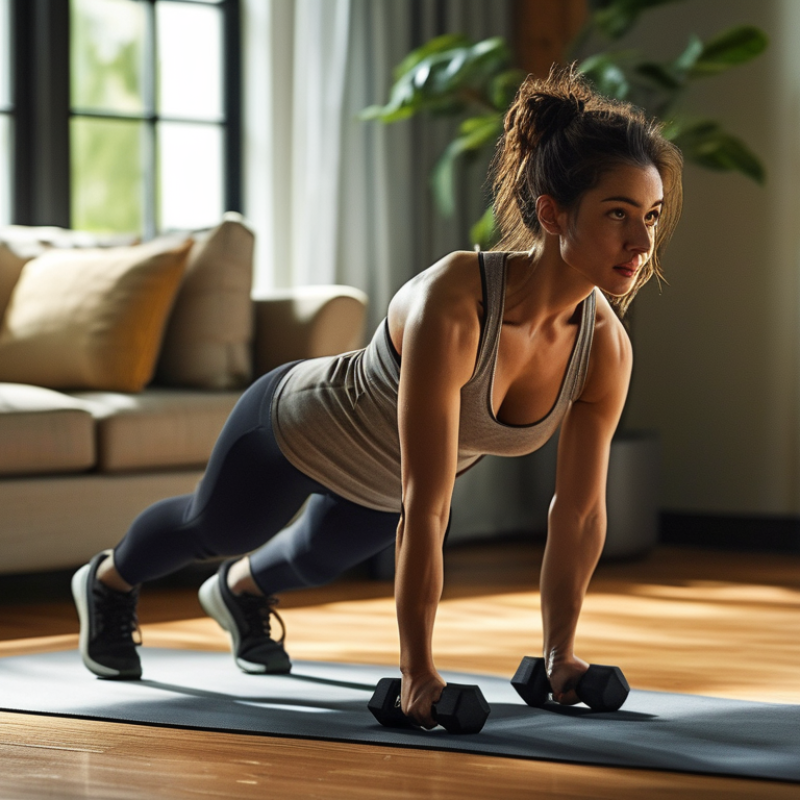
A well-rounded routine includes strength training, cardiovascular activity, and flexibility exercises. Start with basic movements. Bodyweight exercises, like push-ups and squats, are effective. These can be done anywhere. Keep it simple, yet efficient. A perfect routine doesn't exist. Be adaptable and refine your approach over time. Your body will respond differently from day to day.
Build a Simple Home Workout Routine that Works?

Identify Your Fitness Goals and Preferences

Identifying your fitness goals is crucial for building an effective home workout routine. A study from the American College of Sports Medicine shows that 70% of individuals achieve better results when they set specific goals. Whether you aim to lose weight, gain strength, or increase flexibility, clarity in your objectives can guide your routine. For instance, if your goal is weight loss, incorporating high-intensity interval training (HIIT) can be highly effective.


Understanding your preferences is equally important. Enjoying your workouts significantly increases adherence. Research indicates that people are 85% more likely to stick to their routine if they engage in activities they enjoy. This could mean dancing, yoga, or bodyweight exercises. Reflect on what you enjoy and what you dread. If you dislike running, choosing alternatives like cycling or resistance training might yield better results.


Take time to assess your fitness level. Begin with a simple assessment, noting your strength, flexibility, and endurance. Recognizing your starting point can highlight areas for improvement. It’s normal to face challenges. Not every workout will be enjoyable or successful, and that's part of the journey. Make adjustments as you learn what works best for you.

Choose Equipment for an Effective Home Workout

When setting up a home workout routine, choosing the right equipment is crucial. You don't need a full gym to be effective. Start with essentials like dumbbells, resistance bands, and a yoga mat. These items are versatile and can accommodate various exercises. Focus on equipment that allows for a broad range of movements, engaging different muscle groups.

Dumbbells are particularly useful for strength training. They come in different weights, making them suitable for all fitness levels. Resistance bands are excellent for adding challenge to bodyweight exercises. They are lightweight and easy to store. A yoga mat provides comfort for floor workouts and stability for balance exercises. These three items can form the foundation of an effective home workout.

Of course, it’s important to test what works for you. Some may find bodyweight exercises sufficient. Others might prefer a little more weight as they progress. Listen to your body and adjust your routine as needed. It’s okay to feel unsure at times. Learning what equipment fits your lifestyle takes time and patience.

Design a Balanced Routine with Strength and Cardio

Creating a balanced home workout routine involves blending strength and cardio effectively. Start by setting specific goals. Do you want to build muscle, lose weight, or improve endurance? Understand your priorities before designing your program.

Incorporate bodyweight exercises like squats and push-ups. These require no equipment and help build strength. Aim for three sets of ten repetitions for each exercise. On alternate days, focus on cardio with activities like jogging in place or skipping rope. Short, intense bursts work wonders for heart health.

Tips: Track your progress weekly. Record how many reps you achieve or the duration of your cardio sessions. Adjust your routine based on your improvements and challenges. If you hit a plateau, mix up your exercises. A new challenge could reignite your motivation. Remember, consistency is key, but don’t hesitate to take a break when needed. Balance is crucial for both body and mind.

Incorporate Flexibility and Recovery into Your Schedule

Incorporating flexibility and recovery into your home workout routine is essential. Stretching exercises can enhance your range of motion and prevent injuries. Allocate time each week for yoga or simple stretching. Even five to ten minutes can make a difference. Focusing on flexibility helps improve your overall performance.

Recovery is just as important as exercising. Muscles need time to repair. Schedule rest days in your weekly plan. Listen to your body and adjust your routine if you feel tired. Sometimes, a day off can boost your long-term results. Hydration and proper nutrition also play key roles in your recovery process.

Create a balance between hard workouts and restorative practices. It's easy to overlook recovery when feeling motivated. However, pushing too hard may lead to burnout. Reflect on your body’s signals and adjust as needed. This is an ongoing journey toward a healthier lifestyle.

Track Progress and Adjust Your Routine Regularly

Tracking progress is essential in a home workout routine. It helps you see what works and what doesn't. Start by keeping a journal. Record your exercises, sets, and repetitions. This data provides insights into your performance over time. You may find certain exercises easy at first, but they can become challenging as you progress. Acknowledging this change is crucial for adapting your routine effectively.

Adjustments should be made based on your progress. If a workout feels too easy, increase the intensity. Add more weight, or try different exercises. If you plateau, switch up your routine completely. Maybe introduce HIIT or strength training. Experimentation is key. Reflect on what challenges you. A workout that lacks challenge can lead to frustration.

It's vital to reassess your goals regularly. Are you aiming to build strength, increase endurance, or lose weight? Your objectives will influence how you track and adjust. Life changes can shuffle priorities. Don’t be disheartened if you miss a workout or fail to meet a goal. Use those moments for growth. Each setback can inform your future choices and help cultivate resilience.

Build a Simple Home Workout Routine that Works

Exercise Type Duration/sets Frequency (per week) Progress Tracking
Push-ups Strength 3 sets of 10-15 reps 3 Track reps & sets
Squats Strength 3 sets of 15-20 reps 3 Track reps & sets
Planks Core 30-60 seconds 4 Track duration
Lunges Strength 3 sets of 10-12 reps (each leg) 3 Track reps & sets
Burpees Cardio/HIIT 3 sets of 8-10 reps 2 Track reps & time

FAQS

: Why is it important to identify fitness goals?

: Clear fitness goals guide your workout routine and can enhance results, helping you stay focused on your objectives.

How can preferences influence workout adherence?

Enjoying your workouts can increase adherence significantly. Choose activities you love to make exercise more enjoyable.

What should I consider when assessing my fitness level?

Start by evaluating your strength, flexibility, and endurance. Understanding your current level helps identify areas for improvement.

How can I create a balanced workout routine?

Blend strength exercises like squats with cardio activities. Aim for a mix to build muscle and enhance endurance effectively.

What should I do if my routine feels too easy?

Increase intensity by adding weight or trying new exercises. Adjustments keep your workouts challenging and engaging.

How can I track my progress effectively?

Maintain a journal to record exercises, sets, and repetitions. This insight helps you see improvements and make necessary adjustments.

What if I hit a plateau in my fitness journey?

Change your routine completely or incorporate new challenges. Experimentation can reignite motivation and promote growth.

What should I do if I miss a workout?

Don’t be discouraged. Use missed sessions as learning opportunities to reflect on your goals and adjust your approach.

Conclusion

To effectively address how to build a simple home workout routine, start by identifying your fitness goals and preferences. Understanding what you want to achieve—whether it’s weight loss, muscle gain, or improved endurance—will guide your choices. Next, choose versatile equipment that fits your space and budget, such as resistance bands or dumbbells, which can enhance your workouts without overwhelming your environment.

Design a balanced routine that incorporates both strength training and cardio exercises to ensure comprehensive fitness. It's also crucial to integrate flexibility and recovery practices, allowing your body to adapt and prevent injuries. Regularly tracking your progress and making necessary adjustments will keep your routine fresh and aligned with your evolving goals, ensuring long-term success in your fitness journey.

Isabella

Isabella

Isabella is a dedicated marketing professional with a sharp focus on driving brand growth and engagement through strategic content creation. With an extensive background in digital marketing, she combines her passion for storytelling with her keen understanding of industry trends to deliver......