The growing trend of home workouts reveals a shift in how people approach fitness. According to a recent report from the International Health, Racquet & Sportsclub Association (IHRSA), over 74% of individuals now prefer exercising at home. This places a spotlight on the importance of understanding "how to start working out at home for beginners."
For many, starting a fitness journey at home can feel daunting. However, expert guidance shows that even small, consistent efforts can lead to significant results. A survey by Statista indicated that more than 30% of home exercisers reported improved mental health and physical well-being. Despite ongoing challenges, the ability to design personalized workouts has empowered novices to take control of their fitness journeys.
Creating a sustainable home workout routine requires planning and commitment. Beginners often face obstacles like lack of equipment or motivation. Recognizing these challenges is essential to overcoming them. By leveraging resources and connecting with expert advice, individuals can cultivate a healthier lifestyle that fits their unique needs. Embracing imperfection and progress is crucial in this journey. It’s time to take the first step into the world of home fitness.
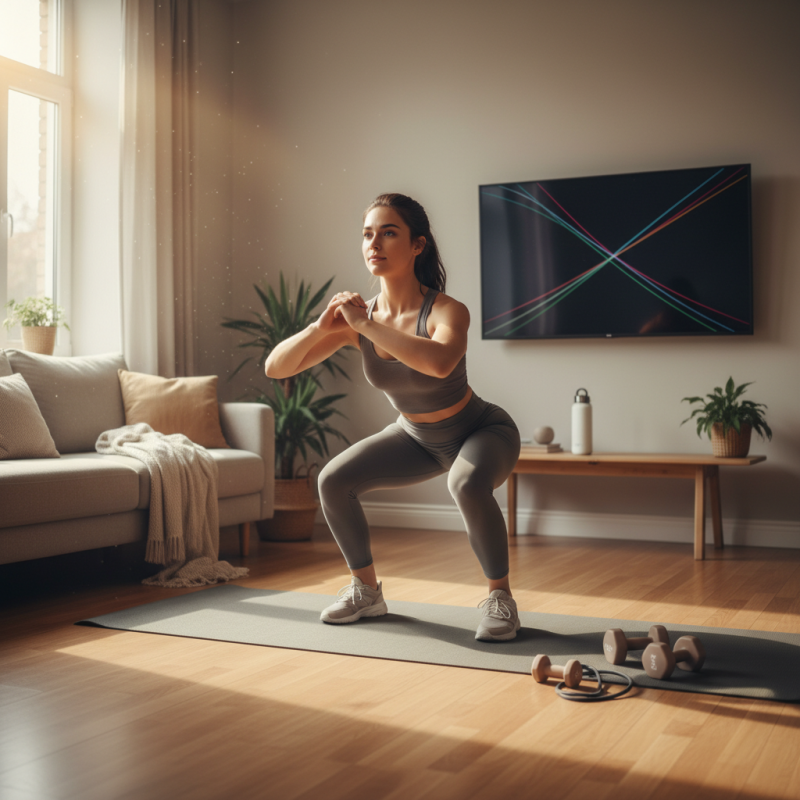
Home workouts have gained popularity, especially among beginners. Data from the American Council on Exercise reveals that 80% of people who engage in regular physical activity cite convenience as a key factor. Exercising at home eliminates the barriers of travel time and gym schedules. This makes it easier for beginners to stay consistent in their fitness journeys.
Home workouts also offer flexibility. According to a recent study by Fitness Trends, individuals who work out at home report feeling more motivated. They can choose their preferred times and activities without the pressure of gym culture. This can alleviate anxiety for newcomers. However, some may struggle with distractions. It’s crucial to set a designated workout space free from interruptions.
Moreover, home workouts can be cost-effective. The International Health, Racquet & Sportsclub Association reports that home workout routines can save individuals an average of $1,000 annually on gym memberships. However, beginners need to approach home workouts with realistic expectations. It is easy to feel overwhelmed with information online. Starting small and gradually increasing intensity can lead to better outcomes. Regular check-ins can help assess progress and adjust goals as needed.
Starting your home workout journey doesn’t have to be overwhelming. Essential equipment can make a significant difference. Begin with a sturdy yoga mat, which provides cushioning for floor exercises. It’s also convenient for stretching routines and quick workouts. A set of dumbbells can introduce resistance training into your routine. Choose weights that challenge you but allow for proper form.
Resistance bands are another versatile option. They are portable and can be used for various exercises, targeting multiple muscle groups. You might also want to invest in a stability ball. It enhances core strength and can replace a bench for strength training. These items often require careful consideration; not all products are equally durable or effective. It’s important to be mindful of your budget, as quality varies.
Incorporating body-weight exercises is a practical approach. Push-ups, squats, and lunges don’t require any equipment. However, mastering these techniques may take time. It’s common to feel frustrated when starting out. Don’t rush—listen to your body and adjust your pace. Reflect on your progress regularly. Adjusting your routine and equipment based on personal experience is essential for growth.
| Equipment | Purpose | Cost Range | Space Required | Beginner-Friendly |
|---|---|---|---|---|
| Resistance Bands | Strength Training | $10 - $30 | Minimal | Yes |
| Dumbbells | Strength Training | $15 - $100 | Small | Yes |
| Yoga Mat | Stretching & Yoga | $15 - $50 | Small | Yes |
| Jump Rope | Cardio | $5 - $25 | Minimal | Yes |
| Exercise Ball | Core Strength & Stability | $15 - $40 | Moderate | Yes |
Creating a structured workout plan for home exercise is crucial for beginners. The American College of Sports Medicine recommends at least 150 minutes of moderate aerobic activity each week. Yet, many struggle to maintain consistency. A clear plan can bridge this gap.
Start with simple goals. For example, aim for 30 minutes of walking or bodyweight exercises, five days a week. This step can greatly enhance motivation and reduce the chance of feeling overwhelmed. A study from the Journal of Exercise Science indicated that beginners who followed a structured plan were 40% more likely to stick to their routines.
Track your workouts and progress. Use a journal or an app to note what you accomplish. Reflect on each session. Did you feel challenged? Were your goals realistic? Analyzing these answers can keep your plan refined. Remember, it's okay to adjust your workouts as you grow stronger. Change brings both physical improvement and mental stimulation.
Staying motivated while working out at home can be challenging, especially for beginners. Research shows that nearly 50% of individuals who start a home workout routine abandon it within six months. To avoid becoming part of that statistic, consider setting realistic and achievable fitness goals. Break them down into smaller milestones. Celebrate each one, no matter how small.
Creating a dedicated workout space can enhance your focus and motivation. A clutter-free zone tailored for physical activity helps signal your brain that it's time to exercise. Include reminders of your goals, such as a vision board or motivating quotes. Colorful yoga mats and weights can also energize the environment.
Participating in virtual workout communities offers accountability. Joining live classes or forums encourages consistency. Studies indicate that individuals are 20% more likely to stick with their routine when they have a workout buddy or group. Don’t hesitate to connect with others for shared experiences and encouragement. Reflect on your progress weekly. Acknowledge the struggles and victories. Remember, motivation fluctuates, and it’s normal to face hurdles. Embrace the journey and adapt your approach as needed.
Monitoring your progress is essential when working out at home. Setting specific goals gives you clarity on what you want to achieve. According to the American College of Sports Medicine, tracking physical activity can increase engagement by up to 47%. This means logging your workouts, noting repetitions, and tracking your improvements helps maintain motivation.
Adjusting your routine based on your progress is equally important. If your workouts become too easy, it’s time to increase the challenge. Consider varying your exercises or increasing your workout duration. Fitness expert James Clear suggests that small changes can lead to significant improvements. Aim for at least 20-30 minutes of exercise, five times a week, to see real benefits.
Tips: Start a workout journal. Log your weekly accomplishments. Notice patterns in your performance. If some exercises feel repetitive, switch things up. This keeps your workouts fresh and enjoyable. Remember, progress isn't always linear. Factors like fatigue or stress may affect your performance. Reflect on these influences to adjust your expectations and goals. Embrace the journey of self-improvement, and celebrate your milestones, no matter how small.
: Aim for at least 150 minutes of moderate aerobic activity each week to see benefits.
Start with 30 minutes of walking or bodyweight exercises, five days a week.
Tracking workouts can increase engagement by up to 47% and helps maintain motivation.
Adjust your routine by increasing intensity or varying exercises when workouts become too easy.
Simplify your goals to reduce feelings of overwhelm and enhance motivation.
Reflecting on your workouts can help you analyze challenges and adjust your goals realistically.
Yes, progress isn't always linear. Factors like stress can affect performance, so reassess as needed.
A workout journal helps log accomplishments and notice performance patterns over time.
Change your exercises to keep things fresh and enjoyable, especially if they feel repetitive.
Absolutely! Celebrating small milestones is important in the journey of self-improvement.
In "How to Start Working Out at Home for Beginners Today," the article emphasizes the numerous benefits of home workouts, particularly for those new to fitness. It highlights how exercising at home provides convenience, flexibility, and comfort, making it an ideal choice for beginners. The piece outlines essential equipment needed to kickstart your fitness journey, such as resistance bands and dumbbells, which can be easily incorporated into various exercises.
Furthermore, the article encourages creating a structured workout plan tailored to individual goals, helping maintain focus and consistency. To combat the common challenges of motivation in a home setting, it offers practical tips, like setting specific goals and finding a workout buddy. Finally, the importance of monitoring progress and being open to adjusting routines helps ensure continued growth and improvement. Understanding these elements is crucial for anyone eager to learn how to start working out at home for beginners effectively.

Parnal Fitness