How to stay motivated to exercise every day is not about forcing yourself through endless willpower. It is about designing movement that fits real life. In 2026, fitness apps, wearable trackers, and home workouts can offer useful feedback. Still, technology cannot replace a reason that feels personal. A five-minute walk before breakfast may matter more than an impressive weekly target. Your routine should survive busy mornings, poor sleep, and changing energy levels.
Michelle Segar, PhD, a behavioral scientist and author of No Sweat, explains the deeper principle: “The key to sustained motivation is to focus on how exercise makes you feel, not how it makes you look.” Her work emphasizes immediate rewards, such as improved mood, clearer thinking, and reduced stress. These benefits can make exercise feel meaningful today, rather than merely useful someday. That shift is important. It turns movement from punishment into self-care.
Yet daily exercise does not always feel inspiring. Some mornings, putting on your shoes may feel strangely difficult. That is normal. A realistic plan might include a brisk ten-minute walk, gentle stretching beside the bed, or two songs of dancing in the living room. The target can change. The habit remains.
I have noticed one uncomfortable truth: motivation often arrives after action, not before it. Missing one session does not ruin your progress. Pretending that every day will feel easy might. Use evidence from your own body, adjust carefully, and review your routine each week. Consistency grows through small promises you can actually keep.
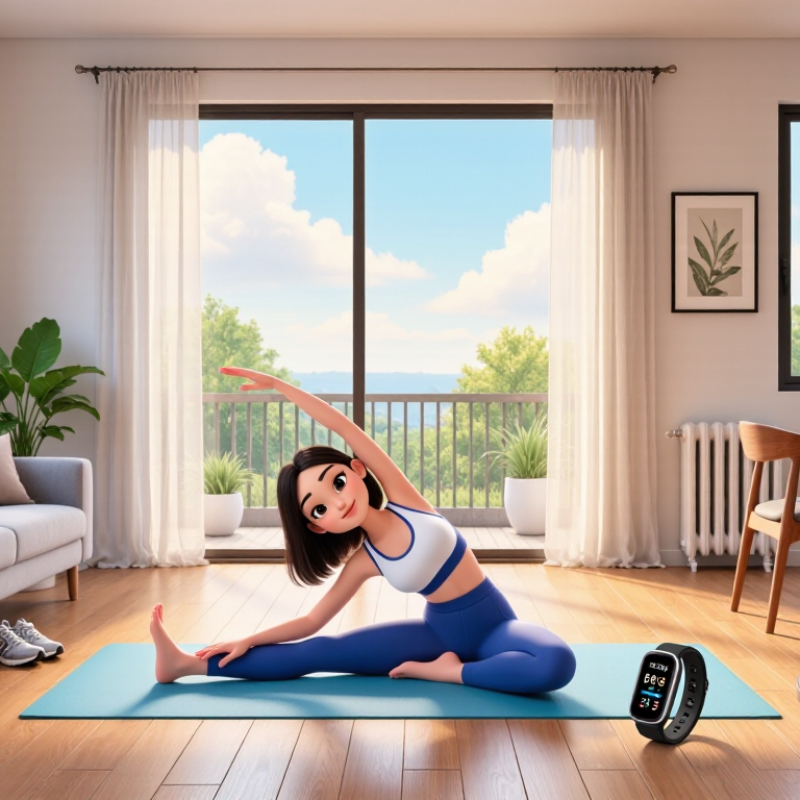
Staying motivated in 2026 may begin with a smaller definition of “daily exercise.” The World Health Organization recommends 150–300 minutes of moderate-intensity activity weekly for adults. That equals about 22–43 minutes on most days, not an exhausting workout every morning. It also recommends muscle-strengthening activities on at least two days each week. A brisk walk, cycling commute, dancing, or carrying groceries can count when effort raises your breathing. At moderate intensity, you can talk, but singing becomes difficult.
I have found that a visible, ordinary routine lasts longer than dramatic promises. I leave walking shoes near the door and schedule a 25-minute walk after lunch. On busy days, I split movement into ten-minute blocks. Three short walks still build the weekly total. The first week may feel easy. That is useful data, not failure. Track minutes, energy, and discomfort, rather than only calories or appearance. If pain persists or fatigue feels unusual, seek qualified medical advice before increasing intensity.
Motivation can dip after poor sleep, deadlines, or rain. I sometimes mistake discipline for ignoring warning signs. Rest, gentle mobility, and a shorter walk may be wiser. Keep the target flexible: reach 150 minutes, then progress gradually toward 300 if your body tolerates it. Use the talk test. Consistency matters more than heroic sessions.
Motivation becomes steadier when your goal is specific, measurable, achievable, relevant, and time-bound. Instead of saying, “I will exercise more,” choose a clear target: “I will walk for 20 minutes after dinner, five days a week, for four weeks.” This goal fits real life and gives you evidence of progress. Write it on a calendar. Seeing five marked days can feel surprisingly rewarding.
Apply gradual progression rather than chasing exhausting workouts. Start with a manageable effort, such as two strength sessions and three brisk walks weekly. After two or three comfortable weeks, add five minutes, one set, or a small amount of resistance. Change only one factor at a time. Your breathing should challenge you, not frighten you. Rest days matter, too. Pain is not proof of commitment.
Tips: Put your shoes beside the door. Prepare tomorrow’s clothes tonight. Use a simple log for time, distance, effort, and mood. If you miss a day, restart with an easier session instead of punishing yourself. That part is easy to say, but harder to practice. Review your goal every Sunday. If your schedule keeps defeating it, adjust the plan, not your self-respect. People with medical conditions, persistent pain, or unusual symptoms should seek qualified professional advice before progressing.
How to Stay Motivated to Exercise Every Day in 2026?
The World Health Organization recommends muscle-strengthening activities on at least two days each week. These sessions should involve all major muscle groups, including the legs, back, chest, shoulders, and arms. I build my week around two short strength workouts rather than chasing daily perfection. One session happens on Tuesday, and the other usually fits on Saturday. Each takes about 30 minutes. I use squats, push-ups, hip hinges, rows, and a simple core exercise. Keep it practical. Two consistent sessions can support strength, movement quality, and long-term health.
On other days, I walk, stretch, cycle, or climb stairs for a few minutes. This keeps exercise connected to ordinary life instead of making it feel like a separate project. I record the date, exercises, repetitions, and effort level in a notebook. That small record shows progress when motivation feels absent. Some weeks are messy. I have skipped workouts after poor sleep or an overloaded workday. Pretending otherwise is not helpful. When I miss Tuesday, I move the session to Wednesday instead of abandoning the week. I also reduce the workload when my joints feel irritated or my technique becomes unstable. Professional guidance supports gradual progression, controlled movement, and recovery between demanding sessions. If pain persists, medical advice is more appropriate than pushing harder. A reliable routine leaves room for real life, including imperfect days.
This example routine reaches the WHO adult guideline of at least 150 minutes of moderate-intensity aerobic activity per week and includes strength training on two separate days.
Use short, repeatable sessions to make exercise easier to maintain: schedule strength work on Monday and Thursday, keep active days consistent, and use rest days for recovery.
How to Stay Motivated to Exercise Every Day in 2026?
Use Habit Cues and Tracking to Sustain Exercise Adherence
Motivation fades. A cue can remain. Place your walking shoes beside the door, not inside a drawer. WHO’s Global Status Report on Physical Activity 2022 found that 31% of adults worldwide were insufficiently active. That number makes small, repeatable actions more important than dramatic fitness plans. Attach movement to an existing routine, such as stretching after brushing your teeth or walking after lunch. Keep it visible. A ten-minute session still counts, especially on a crowded workday. However, daily exercise should include recovery-friendly options, not intense training every morning. I have seen people abandon routines because they treated one missed workout as failure. That reaction needs reconsideration.
Track the truth. Record the date, activity, duration, energy level, and one short note. A simple paper calendar can reveal patterns that memory hides. For example, you may discover that evening workouts fail after long meetings, while lunchtime walks succeed. Research by Lally and colleagues in the European Journal of Social Psychology found that habit automaticity took an average of 66 days, with wide individual variation from 18 to 254 days. Progress will not look perfectly linear. Use a cue, complete a realistic action, and mark it immediately. If tracking becomes another burden, simplify it to a checkmark and one sentence. The goal is dependable repetition, not impressive data.
An evidence-based habit and tracking framework for building consistent physical activity without relying on motivation alone.
| Dimension | Practical Target | Habit Cue or Tracking Method | Example Weekly Data | Why It Supports Adherence |
|---|---|---|---|---|
| Moderate aerobic activity | 150–300 minutes per week | Schedule 30 minutes on five days and record completed minutes immediately afterward. | Planned: 150 min Completed: 135 min Completion rate: 90% |
A specific time-based target makes progress visible and allows gradual adjustment. |
| Vigorous aerobic activity | 75–150 minutes per week as an alternative range | Use a preselected workout cue, such as changing into exercise clothes after work. | Planned: 75 min Completed: 60 min Completion rate: 80% |
A consistent transition cue reduces the number of decisions required to begin. |
| Strength training | At least 2 days per week | Place two strength sessions on fixed calendar days and log major muscle groups trained. | Planned: 2 sessions Completed: 2 sessions Completion rate: 100% |
A minimum weekly floor protects consistency even when time or energy is limited. |
| Daily movement cue | One clearly defined cue each day | Link exercise to an existing routine: waking, lunch, commuting, or finishing work. | Cue used: 6 of 7 days Cue reliability: 86% |
Stable context-action links make the behavior easier to repeat automatically. |
| Minimum viable workout | 5–10 minutes on difficult days | Prepare a short backup routine consisting of walking, mobility, or body-weight exercises. | Backup sessions: 2 Average duration: 8 min |
A smaller option helps preserve the routine when the full workout is unrealistic. |
| Weekly adherence | Review planned versus completed sessions every 7 days | Calculate completed sessions ÷ planned sessions × 100. | Completed: 6 of 7 sessions Adherence: 85.7% |
A weekly percentage shows patterns without treating one missed day as failure. |
| Effort monitoring | Record perceived effort after each session | Use a simple 1–10 effort scale and note unusual fatigue or discomfort. | Sessions logged: 6 Average effort: 6.2/10 |
Effort data helps prevent starting too hard and supports sustainable progression. |
| Environment design | Remove at least one starting barrier | Lay out clothing, prepare equipment, and choose the workout before the cue occurs. | Preparation completed: 5 of 5 planned days Preparation rate: 100% |
Reducing friction makes beginning the session faster and more predictable. |
| Recovery and adaptation | Adjust volume when fatigue, illness, or pain appears | Replace intense exercise with light movement or rest when appropriate; record the reason. | Modified sessions: 1 Unplanned rest days: 1 |
Flexible planning supports long-term consistency and reduces all-or-nothing behavior. |
| Monthly trend | Compare four-week averages rather than isolated days | Track total minutes, strength sessions, adherence, and average effort each week. | Week 1: 105 min Week 2: 120 min Week 3: 135 min Week 4: 150 min |
Trend data highlights gradual improvement and keeps attention on sustainable progress. |
Reference benchmarks
The weekly activity ranges and strength-training minimums reflect the World Health Organization’s 2020 Guidelines on Physical Activity and Sedentary Behaviour. Individual exercise plans should be adjusted for health status, fitness level, age, and professional medical advice when needed.
I review my progress at the end of each month, not every morning. Daily numbers can hide meaningful changes. The CDC recommends at least 150 minutes of moderate activity weekly, plus muscle-strengthening exercises on two days. I compare that guidance with my real schedule, energy, and consistency. A simple calendar helps. I mark walking, cycling, strength training, and active chores.
Small details reveal more than motivation alone. Did my ten-minute walk become thirty minutes? Can I climb stairs without stopping? Am I sleeping better? These questions make progress visible. They also expose weak habits. I sometimes record ambitious plans, then miss several sessions. That is useful information, not proof of failure. My next monthly plan becomes smaller and more realistic.
Recovery deserves the same attention as exercise. I check for lingering soreness, unusual fatigue, poor sleep, and reduced performance. One easier day may protect the next week. Adults generally need seven or more hours of sleep, according to public-health guidance. I increase activity gradually, especially after illness or a long break. Sharp pain is different from normal effort. I stop and seek qualified medical advice when pain persists or worsens. Progress feels slower that way. It is also safer.
Make it specific, measurable, achievable, relevant, and time-bound. For example, walk for 20 minutes after dinner, five days weekly, for four weeks. Write the goal on a calendar. Visible progress helps motivation.
No. Include gentle, moderate, and recovery-friendly activities. Try two strength sessions and three brisk walks weekly. Rest days matter. Exhaustion is not evidence of progress.
Wait two or three comfortable weeks before progressing. Add five minutes, one set, or slight resistance. Change only one factor at a time. Your breathing may feel challenged, not frightened.
Place your shoes beside the door. Attach movement to an existing routine. Stretch after brushing your teeth or walk after lunch. Keep the cue visible.
Record the date, activity, duration, effort, energy, and mood. A paper calendar works well. A checkmark may be enough. Too much tracking can become another burden.
Habit development varies widely. One study found an average of 66 days, ranging from 18 to 254 days. Progress is rarely perfectly linear. Keep repeating realistic actions.
Restart with an easier session. Do not punish yourself with excessive exercise. One missed day is not total failure. I know this sounds simple, but it can feel difficult.
Review your plan every Sunday. Notice when exercise actually succeeds. Lunchtime may work better than evenings after long meetings. Adjust the schedule, not your self-respect.
Seek qualified advice if you have a medical condition, persistent pain, or unusual symptoms. Progress should feel appropriately challenging. Pain is not proof of commitment. Your plan may need careful changes.
How to stay motivated to exercise every day begins with setting realistic expectations. Daily exercise does not have to mean intense workouts; aim for a weekly total of 150–300 minutes of moderate activity, or an equivalent amount of vigorous exercise. Create SMART goals that are specific, measurable, achievable, relevant, and time-bound, then increase duration or intensity gradually. Include strength training at least two days a week and balance challenging sessions with rest and recovery.
To make exercise a lasting habit, connect it to consistent cues such as waking up, finishing work, or preparing for dinner. Choose enjoyable activities, prepare your equipment in advance, and track workouts, energy levels, and consistency. Review your progress once a month rather than focusing on daily perfection. Celebrate small improvements, adjust goals when necessary, and allow flexibility during busy or tiring periods. A sustainable routine built around gradual progress, regular strength work, habit reminders, and adequate recovery can help maintain motivation throughout the year.

Parnal Fitness