In today’s fast-paced world, stress has become a common challenge for many. Finding effective ways to cope with stress is essential for overall well-being. Exercise stands out as a powerful tool in this regard. John Ratey, a renowned psychiatrist and author, emphasizes the importance of physical activity. He states, "Exercise is like a miracle grow for your brain."
When exploring how to reduce stress through exercise, it’s important to consider various forms of activity. From jogging in the park to yoga classes, different exercises suit different individuals. Engaging in regular physical activity helps release endorphins, promoting a sense of well-being. It not only relieves stress but also improves mood, which is vital for managing daily pressures.
However, some may struggle to incorporate exercise into their routines. Finding the motivation can be challenging. The key is to start small and choose an activity that feels enjoyable. Instead of viewing exercise as a chore, it should be seen as a personal investment in mental health. Reflecting on personal preferences will lead to a more sustainable approach.
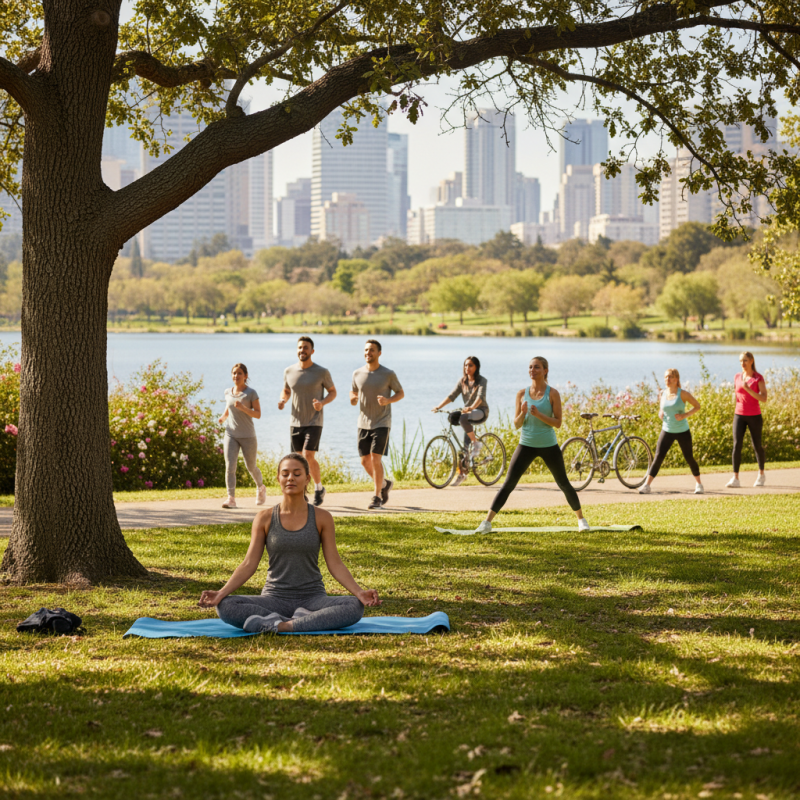
Incorporating exercise into your routine can significantly reduce stress levels. Research shows various exercises can enhance mood and promote relaxation. Activities like yoga, brisk walking, or cycling engage both the body and mind. These exercises release endorphins, the body's natural stress relievers.
Tips: Start with simple movements. A ten-minute walk can make a difference. Don't push your limits. Listen to your body, and adjust as needed. If you feel overwhelmed, consider slower exercises like stretching or meditation. These help calm the mind as well.
Group activities are beneficial too. They foster social connections, which combat stress. Join a local sports team or community class. This not only improves physical health but also builds support networks. Reflect on your experiences. Sometimes the best insights come from struggles. Embrace imperfection in your journey; it’s all part of the process.
Physical activity profoundly impacts stress relief. According to the Anxiety and Depression Association of America, regular exercise can decrease symptoms of anxiety and depression by up to 60%. Engaging in moderate aerobic activities, such as walking or swimming, boosts the production of endorphins. These chemicals are known as natural mood lifters, creating a sense of well-being.
Moreover, a study from the American Psychological Association found that people who exercised reported a significant reduction in stress levels. The same report highlighted the importance of consistency. Even small doses of physical activity, like a ten-minute walk, can lead to noticeable stress relief. Exercise serves as a healthy escape from daily pressures and promotes mindfulness.
However, it's worth noting that not everyone finds exercise stress-relieving. Some may feel overwhelmed by fitness routines or gym environments. It’s essential to explore various activities. Finding the right type of exercise can require trial and error. The journey may not be perfect, but the benefits are clear. Physical activity is a valuable tool in managing stress effectively.
Aerobic and anaerobic exercises are two primary types of workouts that offer unique benefits for stress reduction. Aerobic exercises include activities like running, cycling, and swimming. These exercises increase heart rate and improve oxygen flow throughout the body. This helps release endorphins, the body's natural mood lifters. With regular aerobic workouts, many people report feeling calmer and more focused after a session.
On the other hand, anaerobic exercises, such as weight lifting and sprinting, focus on short bursts of intense effort. Though less commonly associated with stress relief, they can be equally effective. These workouts build muscle and strength while reducing anxiety levels. Engaging in resistance training can enhance self-esteem, fostering a sense of accomplishment. People often notice changes in their stress responses after these exercises.
It’s important to remember that everyone's journey with exercise and stress is unique. What works for one person may not work for another. Some may find running liberating while others may feel exhausted. Exploring different types of exercises helps individuals discover what truly reduces their stress. Hence, it’s worthwhile to reflect on personal preferences and experiences.
Exercise plays a vital role in managing stress. When you engage in physical activity, your body releases endorphins. These natural chemicals act as mood lifters. They create a sense of well-being and help alleviate feelings of anxiety. The science behind this relief is compelling. Regular exercise can lead to long-term improvements in mental health by reducing stress hormones like cortisol.
To reduce stress effectively, consider incorporating various exercises into your routine. Activities like yoga, running, or even brisk walking can enhance your mood. These exercises not only stimulate endorphin production but also give you a chance to clear your mind. Breathing deeply during yoga can be especially beneficial. It fosters a connection between body and mind.
Tips for effective stress relief include maintaining consistency. Aim for at least 30 minutes of exercise most days. Setting small, achievable goals can keep you motivated. Join a group or find a workout buddy. Sharing experiences can make the process enjoyable. Adjust your routine as needed. Learn to listen to your body. Not every day will be perfect, and that’s okay.
| Exercise | Duration (minutes) | Frequency (per week) | Benefits |
|---|---|---|---|
| Yoga | 30 | 3 | Reduces anxiety, improves flexibility |
| Walking | 20 | 5 | Enhances mood, boosts creativity |
| Running | 30 | 4 | Releases endorphins, increases stamina |
| Swimming | 30 | 2 | Calms the mind, enhances musculoskeletal health |
| Cycling | 45 | 3 | Improves cardiovascular health, reduces tension |
| Tai Chi | 40 | 2 | Enhances balance, reduces stress hormones |
| Strength Training | 30 | 3 | Builds muscle, boosts metabolic rate |
| Dance | 30 | 2 | Improves coordination, uplifts mood |
| Pilates | 30 | 3 | Enhances core strength, promotes relaxation |
| Hiking | 60 | 1 | Connects with nature, improves cardiovascular health |
Yoga is a powerful tool for managing stress levels. Research indicates that practicing yoga can reduce cortisol levels, the hormone associated with stress. A study published in the Journal of Alternative and Complementary Medicine found that regular yoga practice decreased anxiety in 77% of participants. This highlights the positive impact yoga can have on emotional well-being.
Incorporating mindfulness into your daily routine can be transformative. Mindfulness encourages us to focus on the present moment, promoting a sense of calm. Simple techniques, like body scans or breath awareness, can significantly lower stress. Just five minutes of focused breathing each day can enhance mental clarity and reduce feelings of overwhelm.
**Tip:** Try a short yoga session each morning. This sets a positive tone for your day.
Creating a dedicated space for your practice is essential. A quiet area can help you concentrate. Use calming scents like lavender to enhance relaxation.
**Tip:** Set a specific time for your yoga practice. Consistency builds habit.
Reflect on your progress regularly. Not every day will feel perfect, and that’s okay. Acknowledge the small victories in your journey toward mindfulness and stress reduction.
Regular exercise can significantly reduce stress levels. Various studies highlight a compelling connection between physical activity and mental health. Research indicates that 47% of adults who engage in regular exercise report lower stress levels. This statistic demonstrates that exercise serves as a powerful tool for managing daily stress.
Another survey from the Anxiety and Depression Association of America reveals that 30 minutes of moderate exercise can produce stress reduction effects that last for hours. Participation in activities like jogging, swimming, or even brisk walking can elevate mood and enhance overall mental well-being. These forms of exercise boost endorphin levels, which are natural mood lifters.
However, the relationship between exercise and stress is not linear for everyone. Some individuals may find certain workouts overwhelming or unenjoyable, causing additional stress instead of alleviating it. It's essential to find activities that resonate with you personally. Reflecting on your experiences can guide you to healthier choices, promoting both physical and mental health in the journey to reduce stress.
: Physical activity can significantly decrease symptoms of anxiety and depression. Regular exercise boosts endorphin production, enhancing mood.
Aerobic exercises like walking and swimming are effective. Anaerobic exercises, like weight lifting, can also help reduce anxiety.
Yes, even moderate activities like a ten-minute walk can lead to noticeable stress relief and improve well-being.
Not everyone enjoys the same activities. It may take time to discover what genuinely helps reduce stress.
Endorphins are chemicals in the body that lift mood. Physical activity increases their production, promoting a sense of well-being.
Yes, some individuals may feel overwhelmed by fitness routines, which can lead to more stress rather than alleviation.
Reports indicate that stress reduction from 30 minutes of moderate exercise can last several hours.
No, each person's journey with exercise and stress relief is unique, and preferences vary widely.
Reflect on your activities and explore alternatives. Finding enjoyable workouts is key to reducing stress effectively.
Regular exercise is important, but even sporadic activity can provide benefits. Consistency is essential, but start with what feels comfortable.
The article "Top 10 Exercises to Reduce Stress Effectively" explores various ways to alleviate stress through physical activity. It emphasizes the strong connection between exercise and stress relief, highlighting how both aerobic and anaerobic exercises can significantly impact mood and mental well-being. The piece discusses the science behind stress relief, particularly how the release of endorphins during exercise contributes to improved mood and reduced anxiety levels.
Additionally, it incorporates mindfulness practices like yoga, which play a crucial role in managing stress. By presenting data insights on the effectiveness of regular exercise, the article provides readers with actionable steps on "how to reduce stress through exercise." This comprehensive guide equips individuals with the knowledge needed to harness the power of physical activity in their daily lives to achieve better mental health and resilience against stress.

Parnal Fitness