Choosing the best fitness equipment in 2026 involves more than comparing prices, screens, and resistance levels. The right equipment should support safe movement, realistic goals, and consistent training. A treadmill, adjustable dumbbell, rowing machine, or resistance band can help build strength and endurance. However, even advanced equipment cannot correct careless technique. The machine may be modern, but your body still needs control.
Why is proper form important in fitness? Proper form helps place stress on the intended muscles and reduces unnecessary strain on joints, tendons, and the lower back. For example, during a squat, your feet should remain stable while your knees track naturally over your toes. During a dumbbell press, controlled movement matters more than lifting heavier weights. Small details can change the entire exercise.
This is where practical experience and professional guidance become valuable. A certified trainer can assess posture, breathing, range of motion, and equipment setup. Reliable manufacturers also provide adjustment instructions and safety recommendations. Still, no guide fits every person perfectly. Bodies differ. Some advice may need refinement after testing it carefully.
Training should feel controlled, not rushed. Stop when pain appears.
A useful routine combines suitable equipment with patient skill development. Before chasing stronger numbers, learn how each movement feels. Record your technique, review it honestly, and make gradual changes. The best fitness equipment supports good form; it never replaces it.
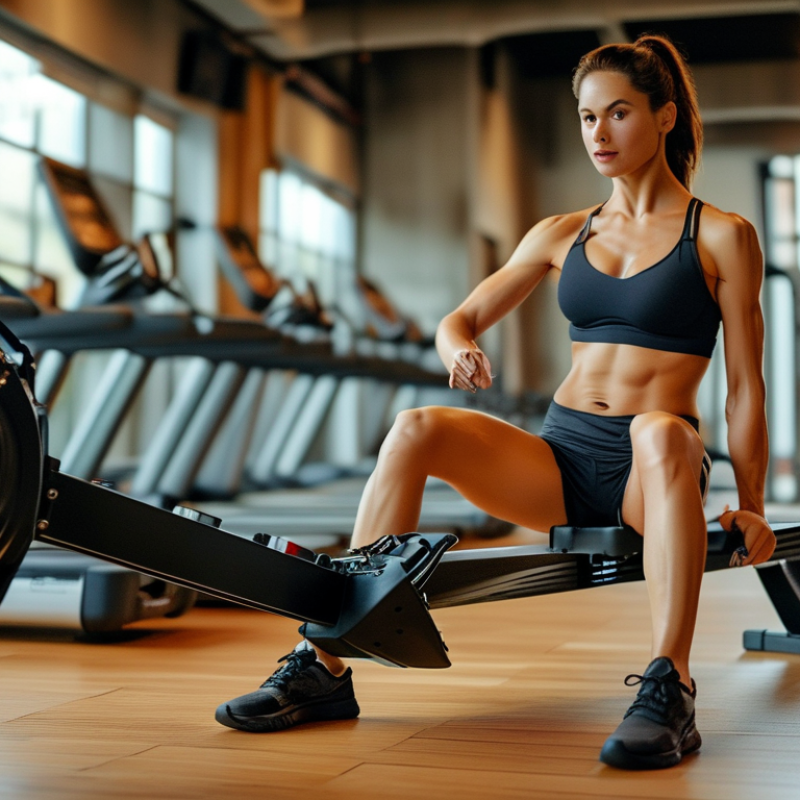
Proper form means controlling an exercise through a safe, repeatable range, not copying a picture. It begins before the first repetition: stable feet, natural spinal alignment, controlled joints, and deliberate breathing. A qualified coach observes movement, asks about discomfort, and adjusts the load or range. Equipment cannot correct poor decisions. The 2025 ACSM Worldwide Fitness Trends report surveyed more than 2,000 professionals and ranked traditional strength training fifth globally.
During a squat, the knees should generally track toward the toes while the hips descend steadily. During a dumbbell press, the wrists should remain stacked above the elbows. Small changes can shift force and expose fatigue. The National Strength and Conditioning Association supports progressive overload, but progression should follow consistent technique. Heavier is not always better. A 2023 review in Sports Medicine found that resistance training improves strength and function, while results depend on program design, supervision, and adherence.
My practical test is simple: record one set from the side and review the final repetitions. If the torso twists, tempo collapses, or breathing becomes chaotic, reduce the load. I still miss details when training alone. That matters. Form is not a frozen pose; it changes with anatomy, fatigue, and equipment. Stop with sharp pain, and seek qualified medical guidance if symptoms persist. Reliable training looks controlled, not dramatic.
2026 Best Fitness Equipment: Why Is Proper Form Important?
Proper form protects your body and improves every training session. A heavy machine cannot correct careless movement. When your knees collapse inward during a squat, your joints may absorb unnecessary stress. When your back rounds during a row, your muscles lose control.
I once rushed through cable exercises to finish a workout faster. My shoulders felt tight that evening, even though the weight seemed manageable. Since then, I check my posture before adding resistance. I keep my feet stable, brace my abdomen, and move through a controlled range. Small adjustments often create noticeable changes.
Form also helps the target muscles work more effectively. A qualified coach can assess joint alignment, breathing, and movement speed. Mirrors can help, but they may not show every problem. Recording one set from the side can reveal a lifted heel or swinging torso. Stop when sharp pain appears. Fatigue can make good technique unreliable.
Some advice sounds simple, yet it is easy to ignore. I still lose focus near the end of demanding sets. That weakness deserves attention, not denial. Lighter resistance may feel disappointing, but it can build stronger movement habits. Proper form makes equipment safer, performance more consistent, and progress easier to measure.
| Exercise or Equipment Type | Proper-Form Focus | Primary Safety Benefit | Performance Benefit | Common Error | Practical Correction |
|---|---|---|---|---|---|
| Adjustable Dumbbells | Keep wrists neutral and control the weight through the full available range. | Reduces unnecessary stress on the wrists, elbows, and shoulders. | Improves muscle control and keeps resistance on the intended movement pattern. | Swinging the weights or using momentum. | Lower the weight and use a slower, controlled tempo. |
| Barbell Squat Rack | Brace the trunk, keep the knees tracking with the toes, and maintain a stable foot position. | Helps distribute load across the hips, knees, and ankles instead of concentrating it in one area. | Supports efficient force production and consistent depth. | Rounding the lower back or allowing the knees to collapse inward. | Reduce load, shorten the range temporarily, and practice bracing and knee alignment. |
| Kettlebell | Initiate the swing with a hip hinge rather than a squat or arm lift. | Limits excessive strain on the lower back and shoulders. | Transfers power from the hips and improves movement efficiency. | Lifting the kettlebell mainly with the arms. | Practice unloaded hip hinges and keep the spine neutral. |
| Resistance Bands | Anchor the band securely and maintain steady tension without overstretching it. | Reduces the risk of band recoil and loss of balance. | Maintains consistent resistance throughout the controlled portion of the movement. | Letting the band snap back or allowing joints to move out of alignment. | Inspect the band, secure the anchor, and reduce its stretch distance. |
| Cable Machine | Set the pulley correctly, stabilize the torso, and avoid jerking the handle. | Improves control and reduces unwanted spinal or shoulder movement. | Keeps tension directed toward the target muscles. | Leaning or twisting to move a weight that is too heavy. | Decrease resistance and use a stable stance with a controlled return. |
| Treadmill | Maintain an upright posture, natural arm swing, and a comfortable stride. | Helps reduce trips, awkward joint loading, and loss of balance. | Supports a more economical walking or running pattern. | Holding the handrails continuously or looking down. | Reduce speed, look forward, and use the safety clip when available. |
| Stationary Bike | Adjust the seat so the knee remains slightly bent at the lowest pedal position. | Reduces excessive knee flexion or overreaching at the bottom of the pedal stroke. | Improves pedaling comfort and consistency. | Using an incorrect seat height or excessive resistance. | Adjust the seat before training and increase resistance gradually. |
| Rowing Machine | Use the sequence of legs, trunk, and arms during the drive; reverse it during recovery. | Helps limit premature back bending and excessive shoulder strain. | Uses the legs and hips effectively for stronger strokes. | Pulling primarily with the arms or rounding the back. | Practice the movement in separate phases at a moderate pace. |
| Elliptical Trainer | Keep the feet centered, posture tall, and resistance appropriate to your ability. | Reduces instability and unnecessary pressure from poor alignment. | Promotes a smooth, continuous stride for cardiovascular training. | Leaning heavily on the handles. | Lower resistance and maintain an upright torso. |
| Pull-Up Bar | Engage the shoulders, keep the ribs controlled, and avoid swinging. | Reduces uncontrolled loading of the shoulders and elbows. | Improves upper-body strength through a repeatable range of motion. | Kipping or using momentum before developing control. | Use an assistance method and perform slow repetitions. |
| Exercise Mat | Keep the spine supported, brace the core, and use a stable surface. | Provides cushioning and reduces slipping during floor exercises. | Allows more consistent positioning during core, mobility, and bodyweight work. | Using a mat that slides or is too soft for balance work. | Choose a non-slip surface and match mat thickness to the exercise. |
In 2026, the best fitness equipment is not always the most advanced option. Proper form begins with how the equipment guides your body.
During coached sessions, I have seen heavy bars make beginners shorten their squat depth. A lighter, adjustable load often reveals cleaner hip and knee movement. That difference matters. Equipment changes balance, range, grip, and the force your joints must control. A bench that is too high can leave your feet unstable during pressing. A handle that is too thick may twist the wrist before the target muscle works.
Choose equipment that fits your size, training level, and movement goal. For home workouts, adjustable dumbbells save space, but their changing center of mass can challenge control. Resistance bands offer smooth loading, yet careless anchoring can change the line of pull. I check contact points, stability, and full range before increasing resistance. The mirror helps, but it can also distract. A side-view video often exposes a rounded back or rushed tempo that feels normal. A qualified coach or physical therapist can assess persistent pain and suggest safer modifications.
I still make mistakes. Sometimes I choose convenience over precision, especially when fatigue makes setup feel annoying. That habit needs honest review. If your shoulders rise, knees collapse inward, or breathing becomes forced, reduce the load or change the setup. Test one variable at a time: height, grip, resistance, or range. The next repetition may feel slower, but it should look steadier.
2026 Best Fitness Equipment: Why Is Proper Form Important?
Step-by-Step Principles for Maintaining Proper Form
Proper form turns fitness equipment into a controlled training tool. It protects joints, improves muscle engagement, and makes progress easier to measure. The American College of Sports Medicine’s 2024 Worldwide Survey placed traditional strength training among the five leading fitness trends. More people are lifting. Technique matters more.
Begin by adjusting the seat, handles, or platform to your body. Your knees should track toward your toes. Keep your spine neutral, not rigid. Brace your abdomen before moving. Use a slow, repeatable motion. Breathe out during the effort, then inhale during the return. Stop when your range becomes unstable.
Slow down.
A mirror can reveal tilted shoulders or collapsing knees. A short video can show errors you cannot feel. The National Strength and Conditioning Association emphasizes controlled movement, appropriate loading, and progressive training in resistance exercise guidance. Heavy weight is not automatically better. If your hips leave the bench or your wrists bend sharply, reduce the load.
I still see experienced exercisers rushing the final repetitions. Fatigue changes posture before it changes motivation. That is where honest self-checking matters. Record one set, review the alignment, and ask a qualified fitness professional for feedback when needed. My own form would not survive every close inspection, and that is useful information. Fitness improves through correction, not performance theater.
2026 Best Fitness Equipment: Why Is Proper Form Important?
Common Form Errors and Ways to Correct Them
Proper form protects your joints and makes each repetition more useful. In coaching sessions, I often see people add weight before controlling their movement. That habit can hide weakness and encourage painful compensation. Heavy equipment is not automatically better equipment. A manageable load is usually the safer teacher.
A common squat error is letting the knees collapse inward. Keep your feet grounded and gently track your knees toward your toes. Rounding the back during a deadlift is another serious mistake. Tighten your abdomen, bring the weight close, and stop when your back position changes. It may feel too easy. That is often the point. Move slowly and record a short side-view video when possible.
Many people pull with their neck and shoulders during rows or pulldowns. Lower your shoulders, keep your chest steady, and lead with your elbows. Swinging through curls also reduces muscle control. Use a lighter weight and pause briefly at the top. I still catch myself rushing the final repetitions, especially when tired. That reminder keeps me honest. If a movement causes sharp pain, stop rather than forcing better form. A qualified fitness professional can check your technique, while a healthcare provider should assess persistent pain.
Proper form helps keep movement controlled, improves exercise efficiency, and reduces unnecessary stress on joints and connective tissue. Start with a manageable load, maintain a stable posture, and stop when technique breaks down.
The chart uses evidence-based weekly activity targets for adults: at least 150 minutes of moderate-intensity aerobic activity or 75 minutes of vigorous-intensity activity, plus muscle-strengthening activity on 2 or more days per week.
Equipment changes your balance, grip, movement range, and joint control. A lighter load may reveal cleaner movement than a heavy one.
Heavy bars may make beginners shorten squat depth. Lighter, adjustable resistance can support steadier hip and knee movement.
Set the seat, handles, bench, or platform to fit your body. Check that your feet feel stable and your joints track naturally.
Watch for raised shoulders, inward-collapsing knees, bent wrists, or hips leaving the bench. Those signs suggest changing the setup or reducing resistance.
Yes, they save space and allow gradual loading. However, their changing weight balance can make control harder during each repetition.
Inspect the anchor point and pulling direction. An unstable anchor can suddenly change the band’s force line.
Mirrors can show uneven shoulders or collapsing knees. Side-view videos may reveal a rounded back or rushed tempo you did not feel.
No. Heavy resistance is not automatically better. Use a load that allows controlled, repeatable movement and stable range.
Slow down or stop the set when alignment becomes unstable. I sometimes choose convenience over precision, and that habit needs review.
Seek qualified guidance when pain persists or technique remains unclear. A slower repetition is often more useful than a forced one.
Proper form in fitness training means controlling each movement with proper alignment, balance, range of motion, and breathing. Why is proper form important in fitness? It helps reduce unnecessary stress on the joints and muscles while allowing the body to work more efficiently. Good technique can improve strength, stability, endurance, and overall exercise performance. Choosing suitable fitness equipment also matters because the right size, resistance, and support can make correct movement easier, while poorly matched equipment may encourage compensation or poor posture.
Maintaining proper form begins with learning the movement, setting up the equipment correctly, engaging the appropriate muscles, and using a controlled pace. Common errors include rounding the back, locking the joints, using momentum, holding the breath, or lifting more weight than can be safely controlled. These mistakes can be corrected by reducing resistance, slowing down, practicing a smaller range of motion, and checking body alignment throughout the exercise. Consistent attention to technique creates safer, more effective, and more sustainable training habits.

Parnal Fitness