Parnal Fitness

1 / 5

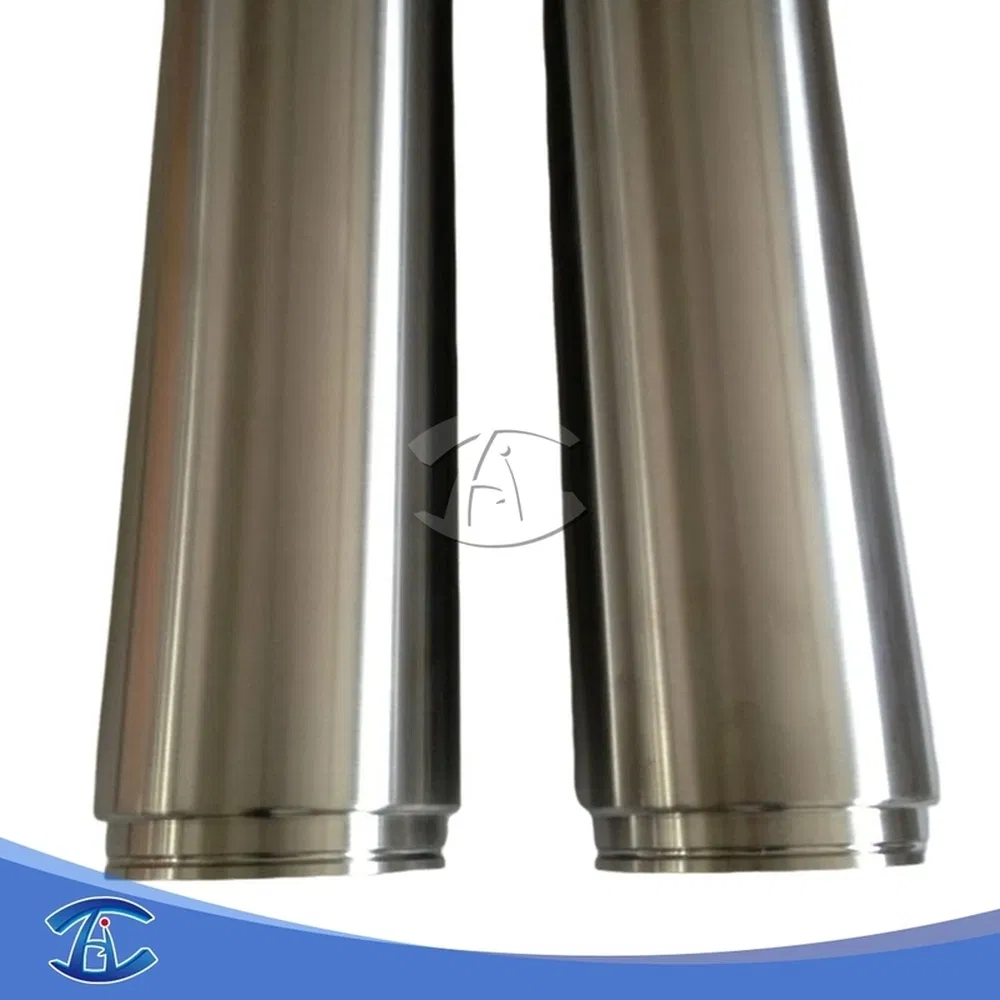
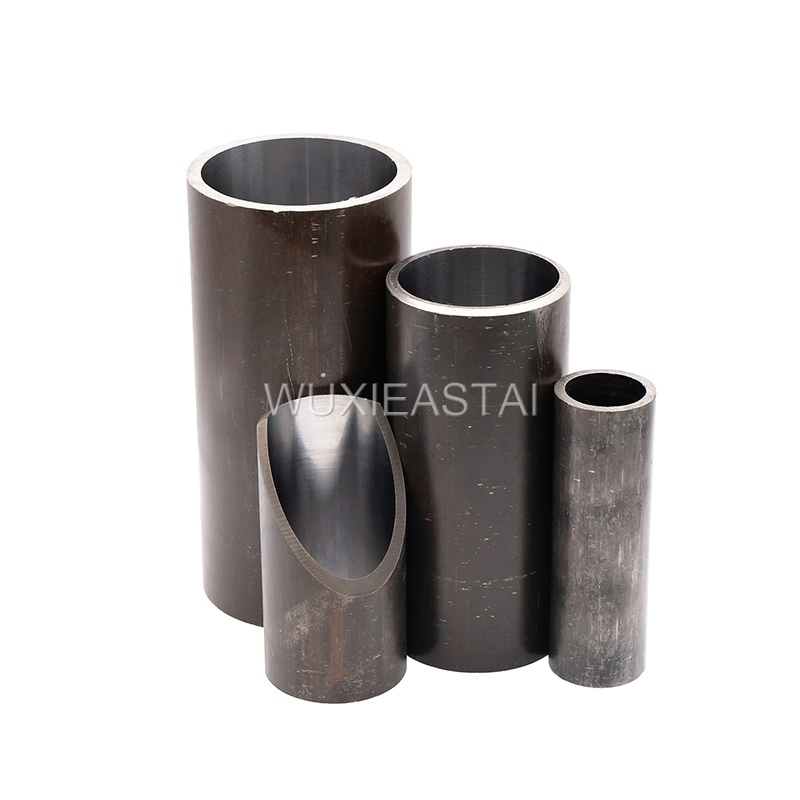
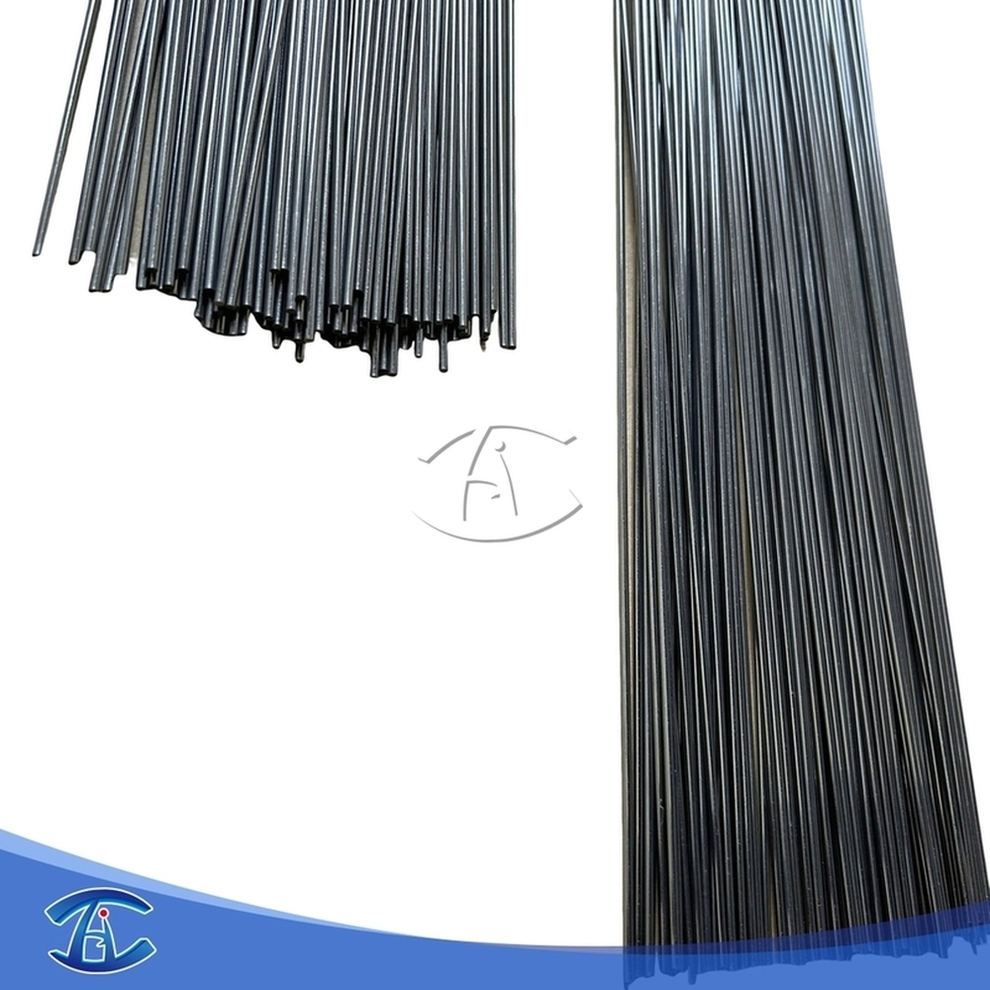
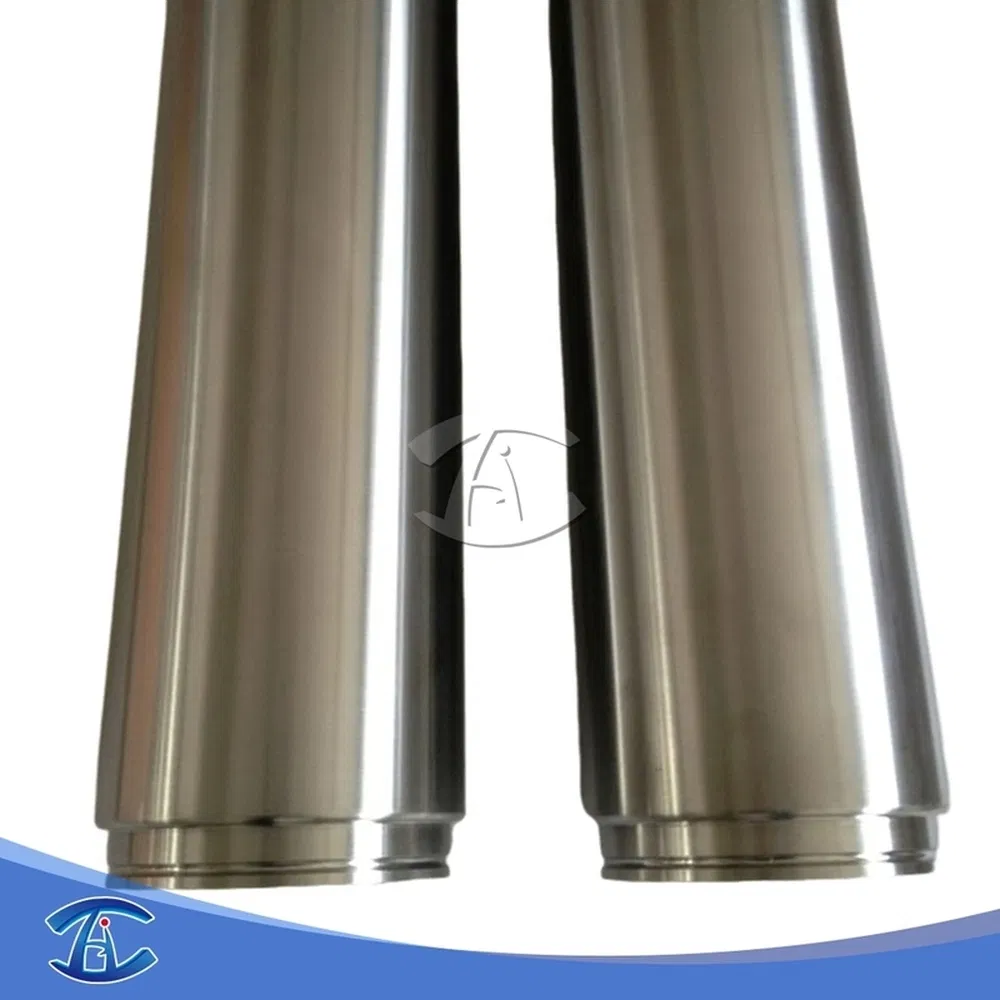
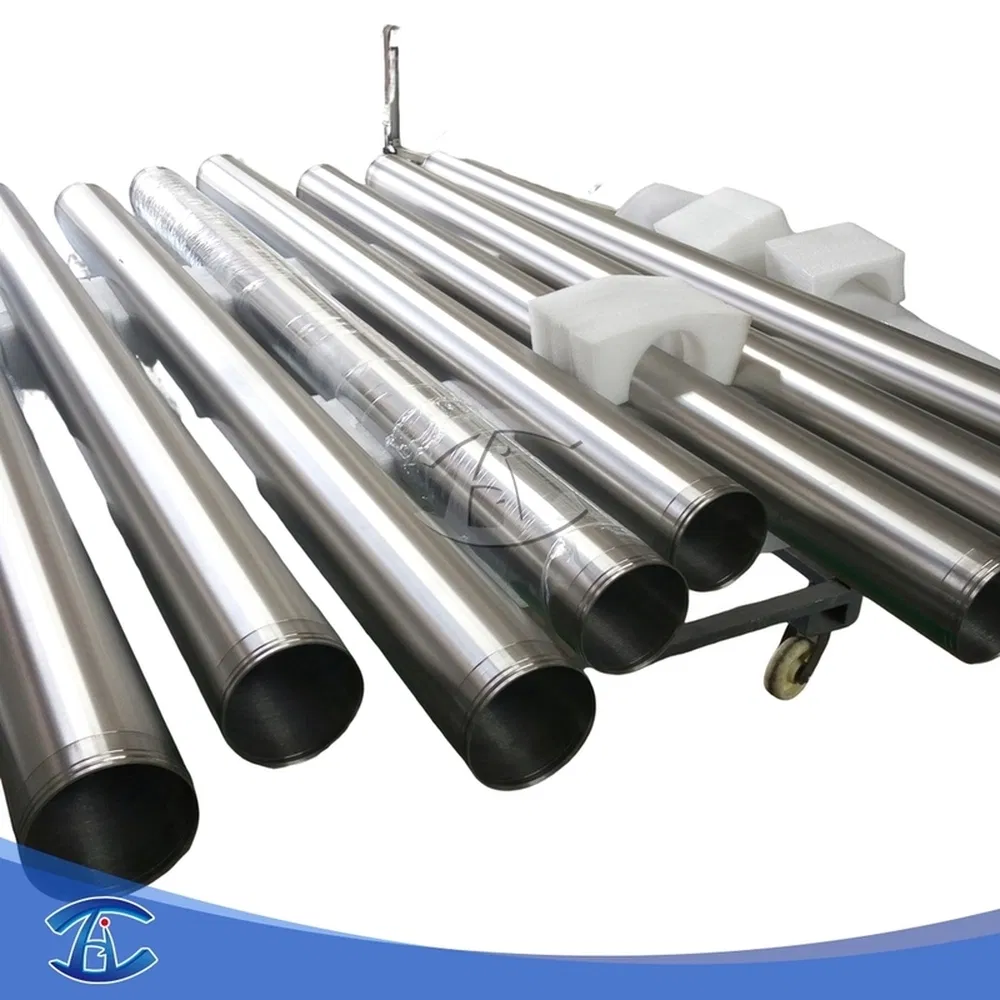
Industrial uses for tantalum tubes span the spectrum of aerospace, electronics, and chemical processing. Their excellent corrosion resistance makes them ideal for use in harsh chemical environments, while their high melting point facilitates high-temperature applications.
Tantalum is known for its excellent thermal and electrical conductivity. Tubes made from this metal are not only corrosion-resistant but also highly ductile, allowing for intricate designs. Surface treatments may include anodizing or powder coating to enhance durability.
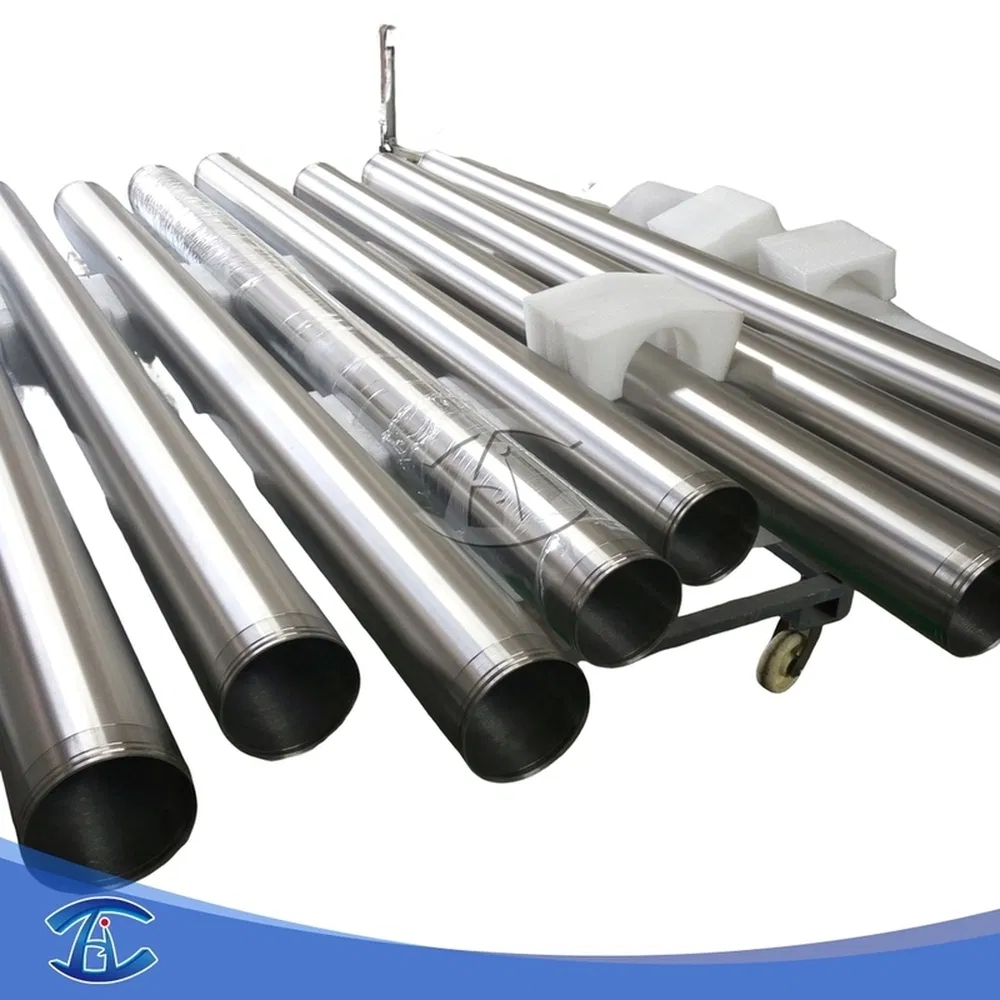
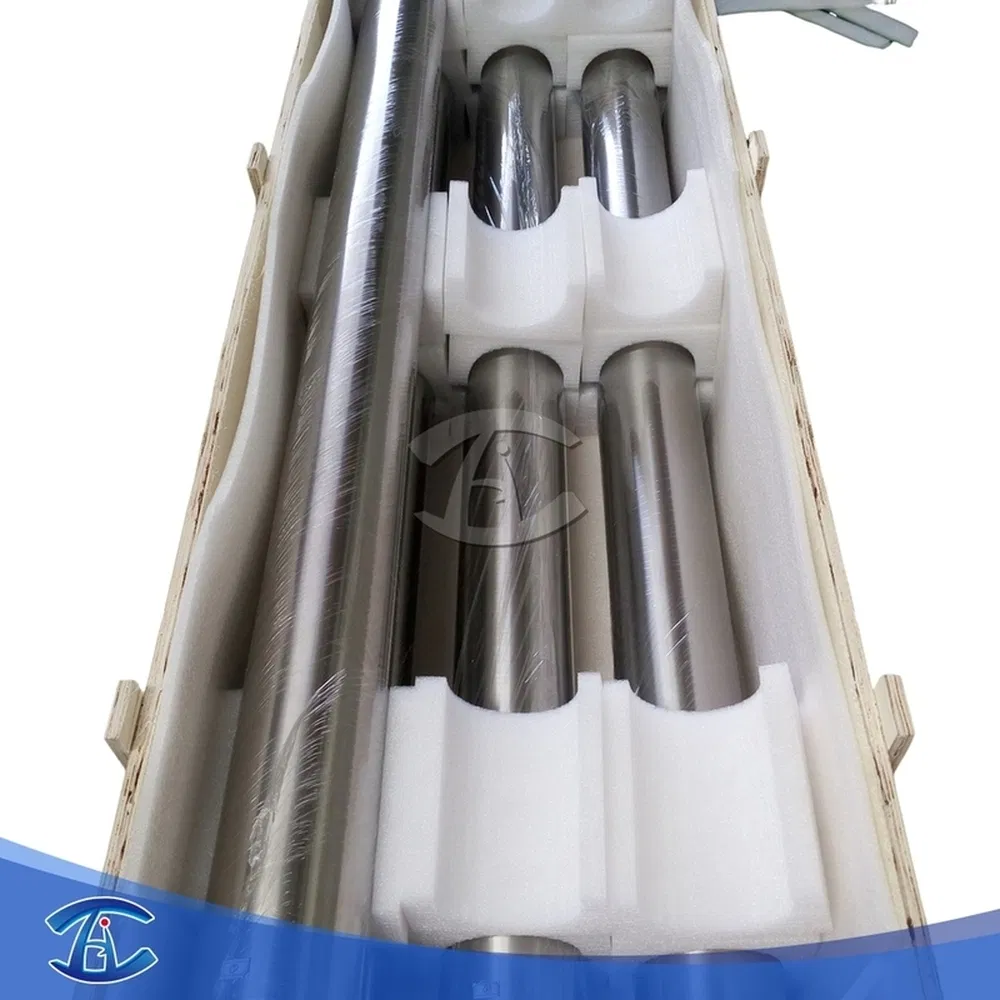
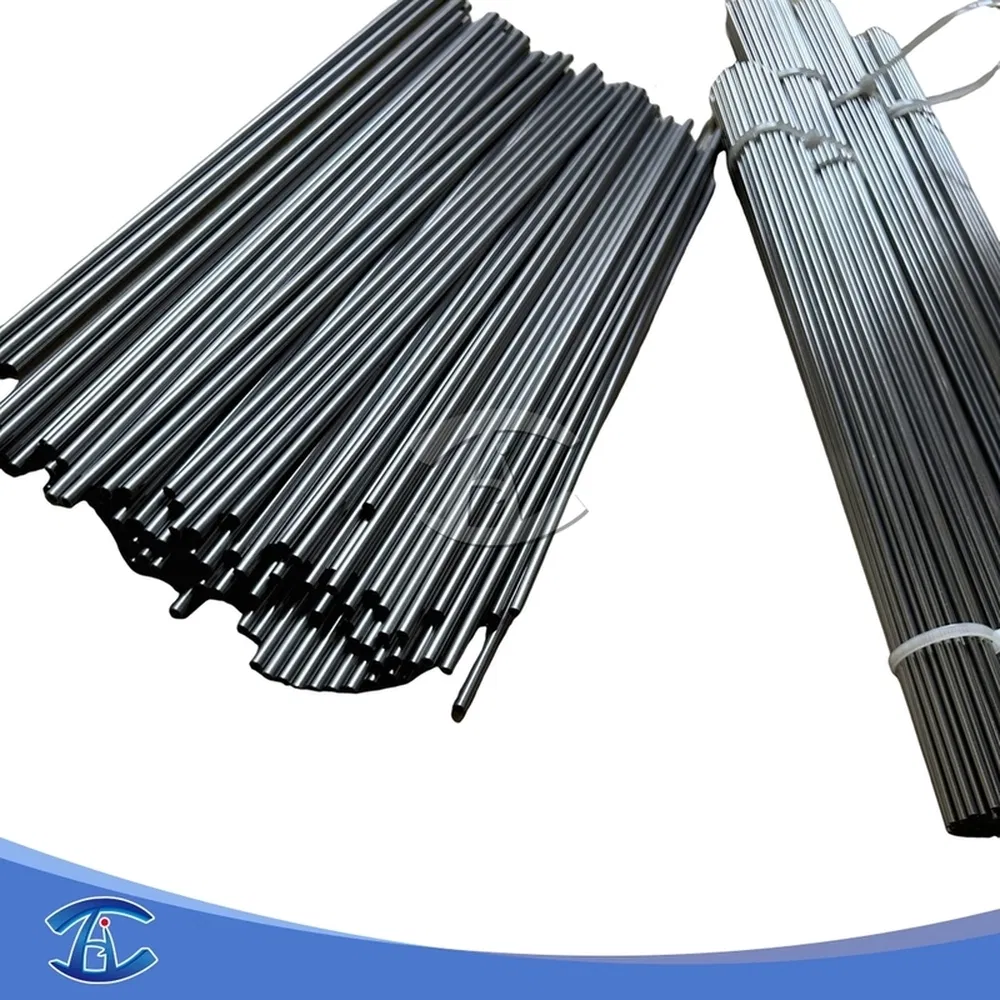
| TANTALUM TUBES SPECIFICATIONS | |
|---|---|
| Product Name | Tantalum Tube |
| Keywords | High Purity Tantalum Tube |
| Material | Tantalum |
| Chemical Composition | Tantalum |
| Purity | 99.9% |
| Surface | Bright Soft Surface |
| Thickness | Customizable |
| Density | 16.6g/cm3 |
| Color | Silver Gray |
| Melting Point | 2996 Degrees Celsius |
| Boiling Point | 5425 Degrees Celsius |
| Condition | Vacuum Annealed |
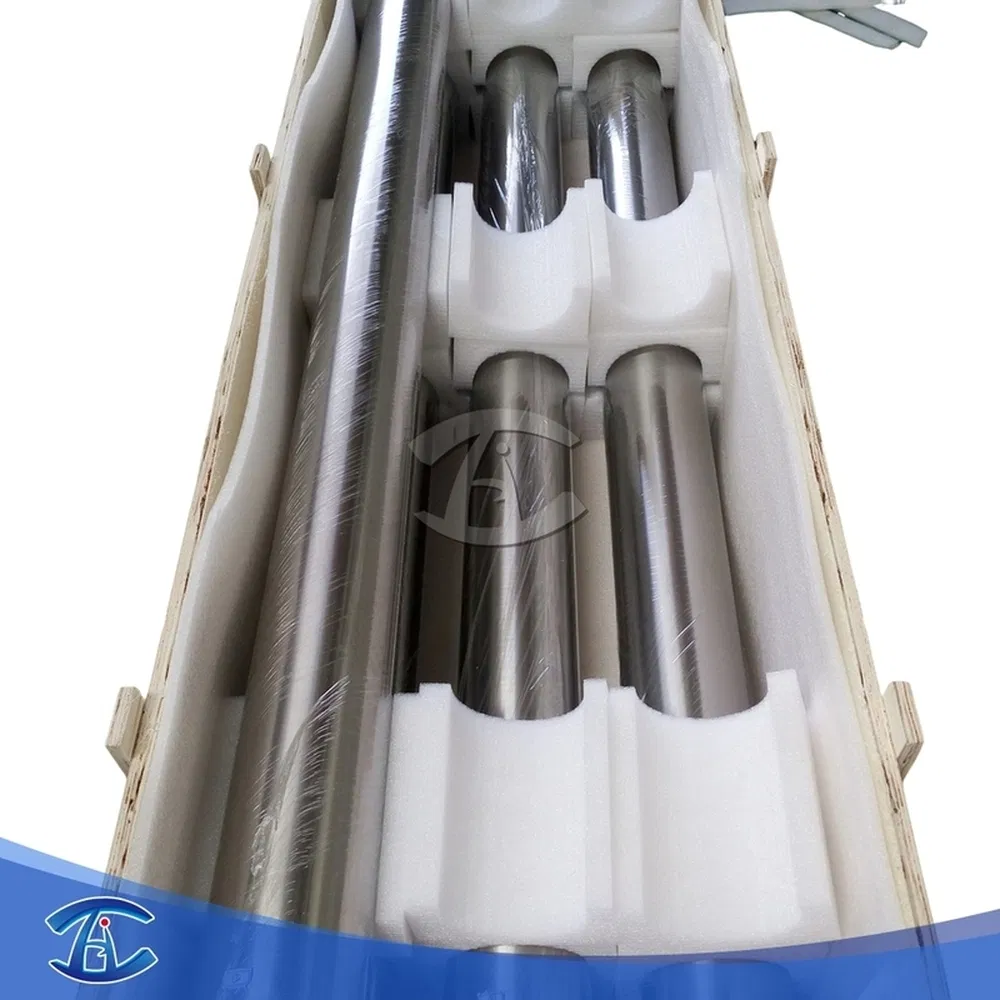
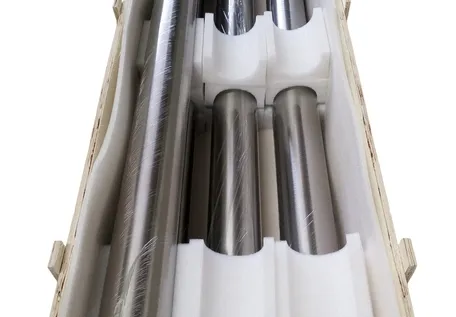
| Packaging | According To Customer Needs |

At room temperature, tantalum tubes do not react to hydrochloric acid and aqua regia. They are highly resistant to many corrosive media, making them ideal for transporting corrosive liquids and gases in chemical industries.
With a melting point of 3017ºC and a boiling point over 5000ºC, these tubes maintain stable properties in high-temperature environments such as aerospace engines and high-temperature furnaces.

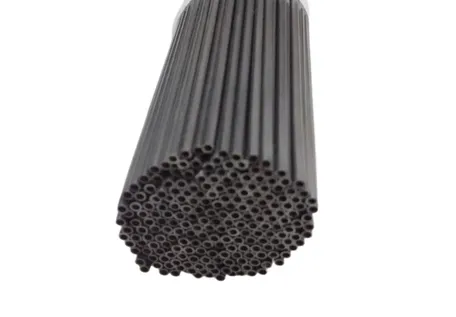
The small thermal expansion coefficient ensures dimensional stability during temperature changes, crucial for precision instruments and electronic components.
Tantalum's excellent biocompatibility allows its use in medical devices such as orthopedic implants and vascular stents.
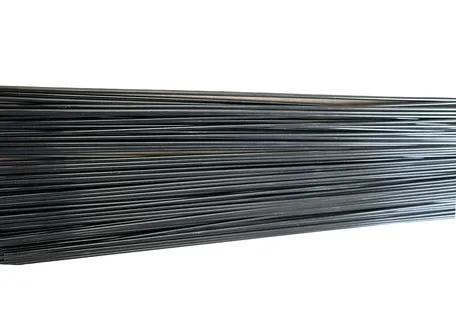
Used for high-temperature and corrosion-resistant parts of aircraft engines and fuel delivery pipelines to ensure stability in harsh flight environments.